.webp)
What Are The Pros And Cons Of Wrapping A Car?
13 Feb 2024, By AdminConsidering giving your car a fresh look? Wrapping cars might be the solution you're seeking. With a plethora of colors and designs to choose from, and the option to customize your own, personalizing your car has never been more convenient. However, before you invest your money - and potentially your time, especially if you're inclined to try it yourself - let's delve into the advantages and disadvantages of wrapping cars.
The choice of materials and the application technique you adopt play crucial roles in determining the final outcome of your car wrap. To provide you with a comprehensive understanding, we, along with insights from our Chips Away technicians, aim to outline all the positive and negative aspects associated with wrapping cars.
Pro’s Of Car Wraps
Now a well-wrapped car can fool most onlookers
- It's individualized for you As car wraps reach new levels of quality, featuring flawless finishes and customizable designs that match your personality, an increasing number of drivers are choosing this option. Whether opting for a complete vehicle wrap or focusing on specific elements like the wheels, this personalized approach provides the flexibility to own a truly unique car. It's important to note that not all wraps involve bold and vibrant colors; vinyl wraps come in a wide range, enabling you to switch colors regularly without the long-lasting commitment of a traditional respray.
- Protect your Paint An excellent motive for opting for a car wrap is to safeguard your vehicle's paintwork. The vinyl wrap serves as a protective shield, shielding against minor chips and dings caused by stones and other road hazards. If you intend to maintain the vehicle in its pristine condition for a potential resale, safeguarding the paint ensures the retention of its resale value and eliminates the need for minor scratch repairs. For a more understated appearance, Oliver Edwards, our ChipsAway specialist in Totton and Hythe, recommends a 'clear protection system.' When applied to the front of your cherished vehicle, this system prevents stone chips while allowing the original color to shine through
- Cost-effective Colour Instead of investing in an entire repaint, opting for a car wrap provides an affordable way to experiment with different colors. The cost of a vinyl wrap may fluctuate, particularly when seeking professional services at a body shop, but it remains a more economical alternative. This option not only offers flexibility in terms of style and design but also allows you to control the duration for which you keep the wrap.
- It can be removed Should you opt for a change in your vehicle's appearance within the next six months to a year, you have the flexibility to easily remove your existing car wrap. It's important to note that when we say "simply," we mean it in a figurative sense, as the process of removing a car wrap is deliberate and gradual to safeguard the integrity of your vehicle. Consider employing techniques such as using a heat gun, adopting a slow peel method, and steering clear of abrasive solutions when undertaking the removal of a vinyl wrap.
Con’s of Car Wraps
You receive the quality commensurate with your investment.
Not all wraps are made equal," emphasizes Steve Perkins, a ChipsAway specialist covering the Hartlepool area. If you're contemplating wrapping your car on a budget, it's crucial to recognize that the quality of the wrap correlates directly with the cost. Opting for a do-it-yourself approach with a cheap wrap might seem like a cost-saving strategy, but it often results in a less satisfactory finish compared to trade wraps or those known for their superior quality.
Steve, who describes himself as a novice in the wrapping realm, points out that "[a] trade quality product is often quite amenable to self-healing." This implies that with gentle heat, minor scratches, and even holes can "melt" away, allowing the wrap to "self-heal." This advantageous feature is not always present in lower-quality products, underscoring the importance of considering the potential drawbacks when contemplating a home kit instead of seeking professional expertise.
- Dynamic Color Transformations Although the initial aesthetic appeal of covering your red car with black vinyl is undeniable, it's essential to consider a potential drawback. Over time, any scuffs or scratches on the wrap may lead to a noticeable color change. As the damage accumulates, the original color may seep through, diminishing the overall finish and making it more apparent. Additionally, the protective function of the vinyl wrap will diminish, leaving the underlying paint vulnerable to further harm.
- Take into account the legal aspects. If you intend to apply a complete body wrap that significantly alters your car's color, such as changing it from black to red, it is essential to notify both your insurance company and the DVLA. This procedure can be time-consuming, especially if you plan to wrap your car temporarily before reverting to its original state. Before committing to an exterior full-body wrap and investing money, it's advisable to research online.
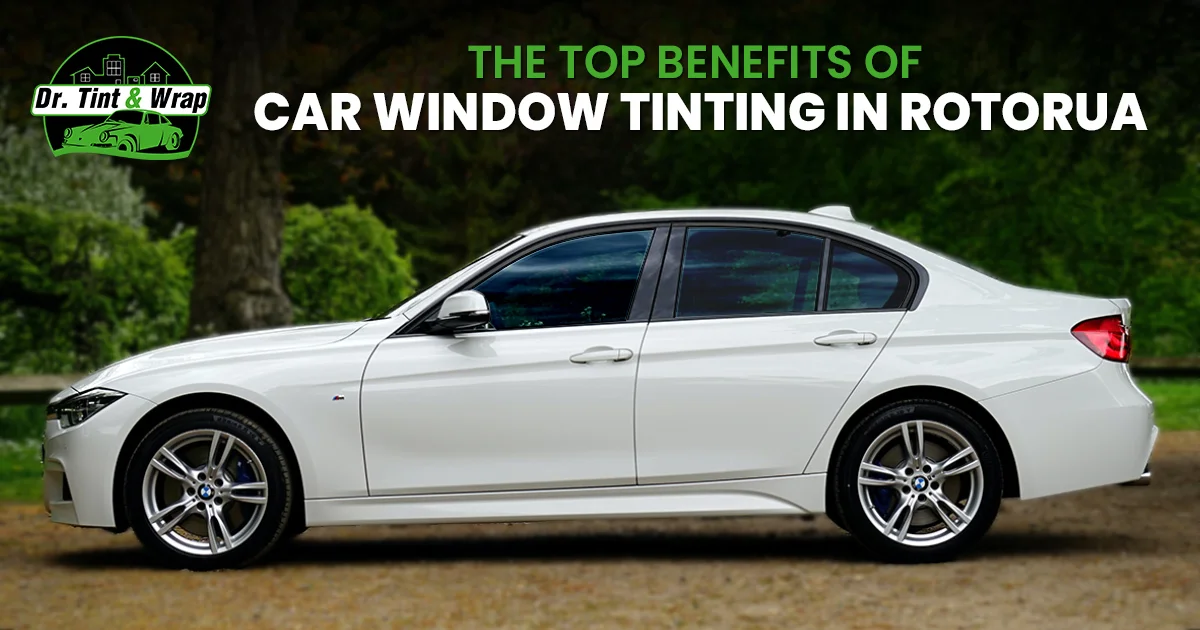
The Top Benefits of Car Window Tinting in Rotorua
13 Feb 2024, By AdminIn the picturesque city of Rotorua, where stunning landscapes meet abundant sunshine, car window tinting has become more than just a trend—it's a practical necessity. Whether you're a local or a visitor, understanding the benefits of car window tinting in Rotorua is essential for a comfortable and protected driving experience. In this blog, we'll delve into the top advantages of car window tinting in Rotorua, focusing on the keyword "Car Window Tinting Rotorua."
1. UV Protection: Shielding You and Your Car Interior
Rotorua is known for its sunny weather, and with the sun comes harmful UV rays. Car window tinting is your first line of defense against these rays, as it can block a significant portion of them. Not only does this protect your skin from potential damage during your drive, but it also safeguards your car's interior from fading and deterioration caused by prolonged sun exposure.2. Enhanced Privacy: Peace of Mind on the Road
Privacy is a valuable asset, especially when driving through the bustling streets of Rotorua. Window tinting provides an added layer of privacy by making it harder for prying eyes to see into your vehicle. This added security ensures your personal space remains personal, whether you're stuck in traffic or parked in a busy area.
3. Heat Reduction: Stay Cool Even on the Hottest Days
Rotorua's summers can be scorching, and the inside of your car can quickly turn into an oven. Car window tinting is your ally in staying cool. By blocking a significant portion of the sun's heat, tinted windows help regulate the temperature inside your vehicle, ensuring a more comfortable ride even during the hottest days.
4. Glare Reduction: Clearer Visibility, Safer Driving
Glare from the sun can be blinding and dangerous while driving. Car window tinting in Rotorua helps reduce glare, providing better visibility and reducing the strain on your eyes. This results in safer and more comfortable driving conditions, especially during sunrise and sunset.
5. Interior Preservation: Keep Your Car Looking New
Rotorua's sun can be harsh on your car's interior, causing it to fade and deteriorate over time. Window tinting acts as a protective shield, preventing sun damage to your dashboard, upholstery, and other interior components. This preservation not only keeps your car looking newer for longer but also maintains its resale value.
6. Energy Efficiency: Reduced Air Conditioning Use
With car window tinting in Rotorua, you'll find yourself relying less on your car's air conditioning system. This reduced need for cooling can lead to improved fuel efficiency and savings at the pump, all while reducing your carbon footprint.
7. Customization: Personalize Your Ride
Car window tinting isn't just practical; it's also an opportunity to customize your vehicle. You can choose from various tint shades and styles to achieve the look you desire while still enjoying all the functional benefits.
Car window tinting in Rotorua isn't just a luxury; it's a practical investment that enhances your driving experience and protects both you and your vehicle from the challenges posed by the city's climate. From UV protection to privacy and heat reduction, the benefits are clear. So, if you want to enjoy safer, more comfortable, and stylish drives through Rotorua, consider car window tinting as a valuable addition to your vehicle. Experience the advantages of "Car Window Tinting Rotorua" firsthand and make the most of your time on the road.
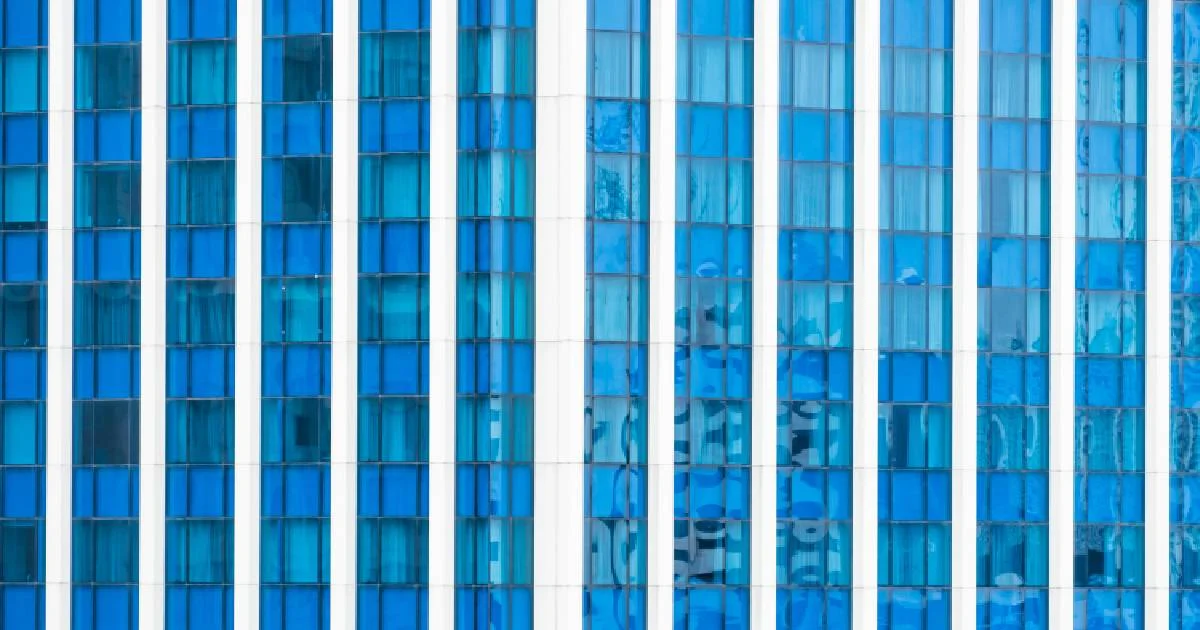
How to Maintain and Care for Tinted Office Windows
13 Feb 2024, By AdminOffice window tinting is a fantastic way to enhance the comfort and aesthetic of your workspace. Not only does it provide privacy and reduce glare, but it also helps in energy conservation by blocking harmful UV rays and controlling heat. However, to keep your tinted windows looking great and functioning effectively, proper maintenance and care are essential. Here’s a comprehensive guide on how to maintain and care for your tinted office windows.
Understanding Office Window Tinting
Before diving into maintenance tips, it’s important to understand what office window tinting involves. Window tints are thin films applied to the interior or exterior of glass surfaces. These films are designed to block UV rays, reduce heat and glare, and offer privacy without compromising natural light. High-quality window tints can last for many years, but their longevity largely depends on how well they are maintained.
Immediate Care Post-Installation
Allow Proper Curing Time
After installation, window tinting requires time to cure. This process can take anywhere from a few days to a few weeks, depending on the type of tint and the weather conditions. During this period:
- Avoid cleaning the windows.
- Do not roll down tinted windows (if applicable) to prevent peeling or damage.
- Expect minor haziness or small water bubbles, which will disappear as the film dries and adheres completely to the glass.
Regular Cleaning Tips
Use Gentle Cleaning Solutions
When it’s time to clean your tinted windows, opt for a mild, non-abrasive cleaning solution. A simple mix of water and a small amount of dish soap works well. Avoid ammonia-based cleaners as they can degrade the tint film over time.
Soft Clothes and Tools
Use a soft microfiber cloth or a rubber squeegee for cleaning. These materials are gentle on the tint film and help avoid scratches. Always dampen the cloth slightly before wiping the windows to prevent dry rubbing.
Gentle Cleaning Technique
- Spray the Solution: Lightly spray the cleaning solution onto the window surface.
- Wipe Gently: Using a soft cloth, gently wipe the window in a circular motion to remove dirt and smudges.
- Dry with Care: Use a dry microfiber cloth to gently pat the window dry, avoiding any streaks.
Preventing Damage
- Avoid Sharp Objects: Keep sharp objects away from tinted windows to prevent accidental scratches or tears. Office equipment, badges, or pens can cause damage if they come into direct contact with the window film.
- Temperature Considerations: Extreme temperatures can affect the adhesive properties of window tints. Avoid exposing tinted windows to excessive heat or cold. Ensure that window coverings or shades are used to moderate the temperature around the tinted windows.
- Regular Inspections: Periodically inspect your tinted windows for signs of wear and tear. Look for peeling, bubbling, or scratches. Early detection of damage can help in taking timely corrective actions, such as reapplying the tint film if necessary.
Professional Maintenance
- Regular Professional Cleaning: Consider scheduling regular professional cleaning services for your office windows. Professionals have the right tools and expertise to clean tinted windows without causing damage, ensuring they remain in optimal condition.
- Tint Reapplication: Over time, even the best-maintained tints may need reapplication. Depending on the quality of the tint and environmental factors, window tints can last between 5 to 15 years. Professional reapplication ensures that your office windows continue to provide the benefits of tinting.
Conclusion
Maintaining and caring for tinted office windows is not a daunting task if you follow the right steps. By using gentle cleaning methods, preventing damage, and scheduling professional maintenance, you can ensure that your office window tinting remains effective and aesthetically pleasing for many years. Remember, well-maintained tinted windows not only enhance the look of your office but also contribute to a more comfortable and energy-efficient workspace.

Automotive Vinyl Wrap Service Near Me
13 Feb 2024, By AdminTransform your car with Tint a Car – New Zealand’s most trusted name in vinyl wraps and tinting, with over 50 years of experience. We offer professional installations and exclusive products backed by a lifetime nationwide warranty on most films, plus a 30-day money-back guarantee.
What is vinyl car wrapping?
Vinyl car wrapping involves covering your car with high-quality vinyl film, available in a variety of colors, textures, and custom designs. This gives your car a fresh, unique look while also protecting the original paint from damage caused by environmental factors like bird droppings or tree sap.
Why wrap your car?
Wrapping your car is an affordable way to refresh its look while providing a layer of protection. It’s significantly cheaper than a traditional paint job, which can cost anywhere from $1,000 to $10,000. Vinyl wraps start as low as $50 for smaller areas like side mirrors, with larger sections like the bonnet costing around $350. The final price depends on the size of your car and the amount of wrapping needed.
What parts of the car can be wrapped?
From bonnets, roofs, and boots to door handles and racing stripes – we can wrap almost any part of your car. Full wraps are also available for a complete transformation. With a lifespan of 1 to 10 years, vinyl wraps protect your car's original paint from minor chips, weathering, and natural hazards, which can help increase resale value.
Easy to Maintain
Maintaining a vinyl wrap is a breeze—no waxing is required! Just soap and water are enough to keep your car looking clean and sleek. And if you ever want a change, the wrap can be safely removed without affecting the original paint underneath.
Vinyl Wraps for Businesses
Want to promote your business on the go? Vinyl wraps are the perfect solution. Provide us with your design, and we’ll turn your vehicle into a mobile billboard.
Elevate your car’s look and protection with Tint a Car – the experts in vinyl wrapping and tinting in New Zealand.