The Ultimate Guide to Car Wrapping: Importance & Tips
25 Apr 2023, By AdminIf you're a car enthusiast looking to give your ride a unique and personalized touch, car wrapping can be an excellent option. Car wrapping is the process of applying a vinyl film onto the surface of a vehicle, completely transforming its appearance. It allows you to change the color, add the finishing, and even add custom graphics or designs to your car, creating a true masterpiece that reflects your style and personality. In this blog post, we will explore the world of car wrapping and how it can elevate your car enthusiast game to the next level.
Importance of Car Wrapping?
Car wrapping has become increasingly popular among car enthusiasts for several compelling reasons,
Customization - Car wrapping allows you to completely transform the appearance of your vehicle. With a wide range of colors, textures, and finishes available, you can create a unique and personalized look that reflects your style and personality. It gives you the opportunity to customize your vehicle without the permanence of a traditional paint job, making it a flexible option for those who like to change up their vehicle's appearance.
Protection - Car wraps provide a layer of protection to your car's original paint. The vinyl material used in car wraps acts as a barrier against minor scratches, chips, and fading from UV rays, helping to preserve the condition of your car's paint and keeping it looking newer for longer. This can be particularly beneficial if you want to maintain your car's resale value or lease a vehicle and want to protect it during the lease period.
Versatility - Car wraps can be used for a variety of purposes beyond just changing the color of your car. They can be used for advertising, business branding, or promoting a cause or event. Car wraps provide a cost-effective and attention-grabbing way to market your business or create awareness for a cause, as they turn your vehicle into a moving billboard that can reach a wide audience.
Reversibility - Unlike traditional paint jobs, car wraps are not permanent and can be easily removed without damaging your car's original paint. This means you can change or remove the wrap whenever you want, allowing for flexibility and versatility in your vehicle's appearance. It also means that if you're planning to sell your car or return a leased vehicle, you can remove the wrap and restore it to its original condition.
Cost-effective - Car wrapping can be a more cost-effective option compared to a traditional paint job, especially for complex designs or multiple color changes. The cost of a car wrap depends on factors such as the size of the vehicle, the type of wrap material used, and the complexity of the design. However, compared to the cost of a full repaint, car wrapping can be more budget-friendly while still providing a high-quality, customizable finish.
Non-permanent - Car wraps are a non-permanent option, which means you can experiment with different looks and styles without committing to a permanent change to your car's appearance. This gives you the freedom to try out different colors, finishes, and designs, and easily revert to the original look if you wish.
Tips for Car Wrapping Enthusiasts
If you're considering car wrapping for your vehicle, here are some tips to keep in mind:
Choose a Professional Installer - Car wrapping is a complex process that requires skill and experience. It's important to choose a professional installer who has a proven track record of quality work. Look for reviews, ask for recommendations, and check their portfolio before making a decision.
Decide on the Type of Wrap - There are different types of car wraps available, including vinyl wraps, color change wraps, and clear wraps. Consider your budget, desired look, and durability requirements when choosing the type of wrap that's best for your car.
Prepare Your Car - Before applying the wrap, make sure your car's surface is clean and free of any dirt, debris, or wax. A clean surface will ensure proper adhesion of the wrap and result in a smooth finish. Also, remove any accessories or trim that may interfere with the wrapping process.
Choose High-Quality Materials - Opt for high-quality vinyl materials for your car wrap. High- quality materials are more durable, resistant to UV rays, and can withstand the elements better, ensuring your wrap will last longer and look better.
Consider Maintenance - Car wraps require regular maintenance to keep them looking their best. Follow the manufacturer's instructions for care and maintenance, which may include avoiding harsh chemicals, hand washing, and avoiding high-pressure car washes.
Be Mindful of Environmental Factors - Extreme temperatures, prolonged exposure to sunlight, and harsh weather conditions can affect the lifespan of your car wrap. Parking your car in shaded areas, using a car cover, and avoiding harsh environmental conditions can help prolong the lifespan of your car wrap.
Avoid DIY Wrapping - Car wrapping is a skilled trade that requires proper training and experience. Attempting to wrap your car yourself without the proper knowledge and tools can result in a subpar finish and damage to your car's paint. It's best to leave car wrapping to the professionals.
Plan for Removal - Car wraps are not permanent and will eventually need to be removed. Plan for the removal process and be prepared for the possibility of minor paint touch-ups after removal. It's important to follow the manufacturer's instructions for proper removal to avoid damaging your car's paint.
Get a Warranty - Look for a professional installer who offers a warranty on their workmanship and the materials used. A warranty can provide you with peace of mind and protection against any potential issues with your car wrap.
Dr. Tint & Wrap is a professional and one of the leading car wrapping service providers in New Zealand. At Dr. Tint & Wrap, we take total care of all the mentioned tips and strictly follow local laws and regulations regarding car wraps, including restrictions on colors, designs, and placement of wraps. Some areas may have specific rules and regulations that need to be followed to avoid any legal issues.
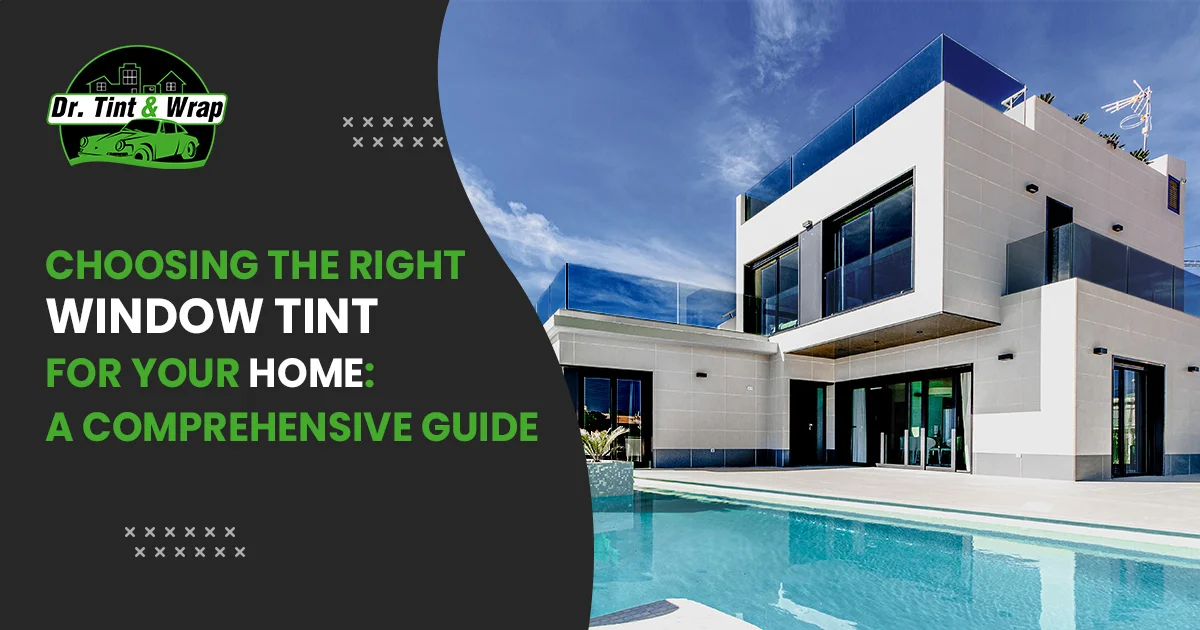
Choosing the Right Window Tint for Your Home: A Comprehensive Guide
25 Apr 2023, By AdminWindows are the eyes of your home, providing natural light, ventilation, and a connection to the outside world. However, they can also be a source of problems, such as excessive heat, glare, and harmful UV rays. Window tinting offers a practical solution to these issues, but selecting the right window tint can be a daunting task. In this guide, we'll walk you through the process of choosing the appropriate window tint for your home based on your specific needs, climate, and window types.
1. Assess Your Needs:
Before diving into the world of window tinting, it's crucial to assess your specific requirements. Consider the following factors:
- Privacy: Do you need increased privacy without sacrificing natural light?
- Heat Reduction: Is your home excessively hot, especially during summer months?
- Glare Reduction: Do you struggle with glare from sunlight that affects your comfort and visibility?
- UV Protection: Are you concerned about fading furniture and flooring due to UV rays?
- Energy Efficiency: Are you looking to reduce energy costs by improving insulation?
2. Understand Different Types of Window Tints:
There are various types of window tints available, each designed to address specific issues:
- Solar Control Films: Ideal for heat and glare reduction, these films block UV rays and improve energy efficiency.
- Privacy Films: These tints provide privacy during the day while allowing natural light to enter your home.
- Security Films: Reinforce your windows for added security, protecting your home from break-ins and accidents.
- Decorative Films: Enhance aesthetics with decorative window films available in various patterns and designs.
3. Consider Your Climate:
The climate of your region plays a significant role in choosing the right window tint:
- Hot Climates: Opt for tints with high solar heat rejection and UV protection to keep your home cool and protect from sun damage.
- Cold Climates: Look for tints with insulating properties to retain indoor heat during winters, reducing heating costs.
4. Think About Window Types:
Different window types require different tinting solutions:
- Double-Pane Windows: Consult with a professional, as certain films can trap heat between the panes, potentially causing damage.
- Low-E Coated Windows: Use tints recommended by the window manufacturer to maintain the Low-E coating's effectiveness.
- Older Windows: Consider films that provide insulation, improving energy efficiency in older, less insulated windows.
5. Seek Professional Advice:
While there are DIY tinting kits available, consulting with a professional window tinting service is invaluable. They can assess your specific needs, recommend suitable products, and ensure proper installation, maximizing the tints' effectiveness and longevity.
6. Read Reviews and Get Samples:
Research online reviews and testimonials to learn about other homeowners' experiences with specific window tints. Additionally, request samples from manufacturers or service providers to physically see how different tints look and perform in your home environment.
7. Maintenance and Warranty:
Consider the maintenance requirements and warranty offered with the window tint. Some tints may require special cleaning methods to preserve their effectiveness, while others come with comprehensive warranties, ensuring long-term satisfaction.
In conclusion, choosing the right window tint for your home involves careful consideration of your specific needs, the climate you live in, and the types of windows you have. By understanding these factors and seeking professional guidance, you can enhance your home's comfort, energy efficiency, and overall aesthetics, making an informed choice that you'll appreciate for years to come.

Car Window Tinting: Is It Worth the Effort in Tauranga?
25 Apr 2023, By AdminWhen it comes to enhancing the overall look and functionality of your vehicle, car window tinting is an option that many Tauranga residents consider. Not only does it give your vehicle a sleek and stylish appearance, but it also offers several practical benefits. However, before diving into this automotive upgrade, it's essential to understand whether car window tinting is worth the effort in Tauranga. In this blog post, we will explore the advantages of car window tinting specific to Tauranga's climate and lifestyle.
1. Protection from Harsh UV Rays
Tauranga, known for its beautiful beaches and sunny weather, experiences intense ultraviolet (UV) radiation. Car window tinting provides a protective barrier against harmful UV rays, shielding both you and your vehicle's interior. By blocking a significant portion of UV rays, tinted windows can help prevent interior fading, cracking, and discolouration. Additionally, it protects your skin from UV exposure during those long drives around Tauranga.
2. Temperature Control and Comfort
Tauranga's climate can be quite hot and humid, especially during the summer months. Car window tinting helps regulate the interior temperature by reducing the amount of heat that enters the vehicle. This, in turn, eases the burden on your air conditioning system, making it more efficient and reducing fuel consumption. With cooler interiors, you can enjoy a more comfortable driving experience, even on scorching Tauranga days.
3. Glare Reduction for Safer Driving
Glare from the sun can be a significant hazard when driving, leading to eye strain and reduced visibility. Car window tinting reduces glare by filtering out excessive sunlight, ensuring clearer visibility of the road ahead. With improved vision, you can navigate Tauranga's roads with increased safety, particularly during sunrise and sunset when the glare is most intense.
4. Enhanced Privacy and Security
Privacy is an important aspect for many vehicle owners. Window tinting provides an additional layer of privacy, preventing prying eyes from seeing inside your car. This is especially beneficial when parking in busy areas or when you have valuable belongings in your vehicle. Additionally, tinted windows can deter theft by making it harder for potential burglars to identify valuable items inside your car.
5. Upholstery and Interior Preservation
Tauranga's sun and heat can take a toll on your vehicle's interior. Prolonged exposure to sunlight can cause fading and cracking of upholstery and dashboard materials. Car window tinting helps protect your vehicle's interior by blocking harmful UV rays and reducing heat buildup. By preserving the quality of your interior, window tinting can help maintain your car's resale value in the long run.
Considering the unique climate and lifestyle in Tauranga, car window tinting proves to be a worthwhile investment. The benefits it offers, including protection from UV rays, temperature control, glare reduction, enhanced privacy, and interior preservation, make it an appealing choice for vehicle owners in Tauranga. Whether you want to improve the aesthetics of your car
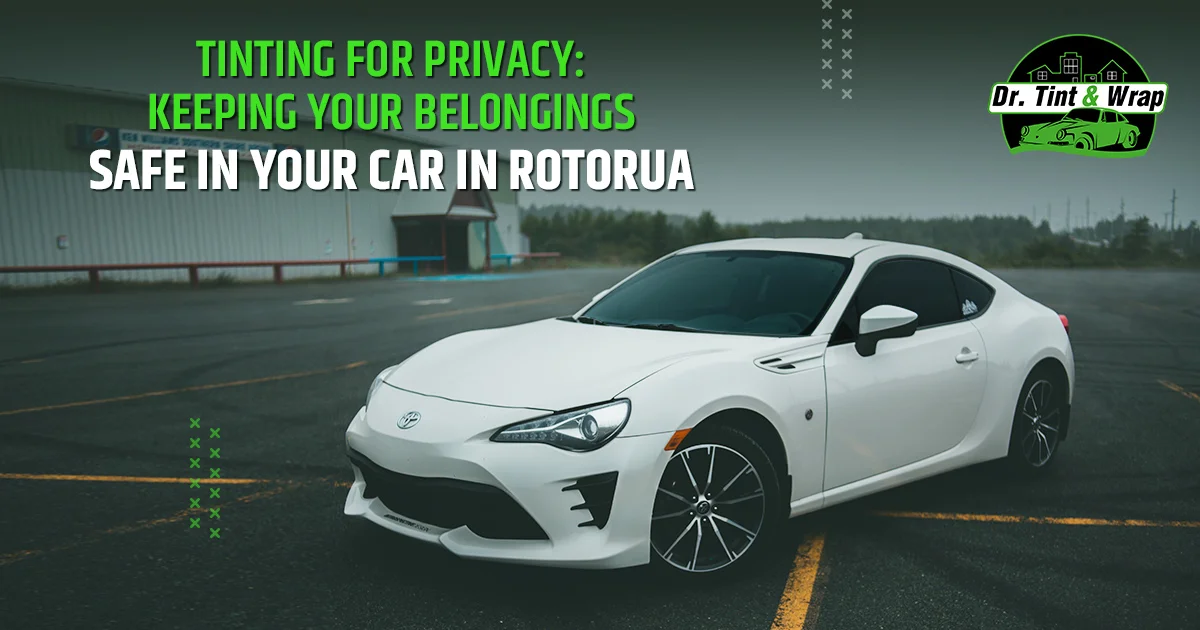
Tinting for Privacy: Keeping Your Belongings Safe in Your Car in Rotorua
25 Apr 2023, By AdminRotorua, a picturesque city nestled in New Zealand's North Island, is a haven for tourists and locals alike. Known for its geothermal wonders, stunning lakes, and Maori culture, Rotorua attracts numerous visitors throughout the year. However, with increased tourism and daily activities, it becomes crucial to address the issue of car safety and privacy. One effective solution that has gained popularity in recent years is car window tinting. In this blog, we will explore the benefits of car window tinting in Rotorua, focusing on privacy and keeping your belongings safe.
The Beauty of Rotorua and Its Challenges
Rotorua's natural beauty and vibrant culture make it an ideal destination for both short trips and extended vacations. From exploring the geothermal wonders at Wai-O-Tapu and Te Puia to enjoying a peaceful stroll around Lake Rotorua, the city offers a wide range of attractions for everyone. However, it's important to remember that every city faces its own unique challenges, and Rotorua is no exception.
Tourist hotspots can also attract opportunistic criminals who may target unattended vehicles, especially those with visible valuable belongings. Whether you're visiting a geothermal park or enjoying a Maori cultural performance, leaving your car in a public parking area can sometimes be a risky proposition.
Car Window Tinting: An Effective Solution
Car window tinting has emerged as an effective and popular solution to address privacy and security concerns for car owners in Rotorua. Tinting involves applying a thin, transparent film to the interior of the vehicle's windows. This film can significantly reduce the visibility into the car's interior while still allowing occupants to see outside clearly.
Here are some of the key benefits of car window tinting for privacy and security:
- Enhanced Privacy: With the right tinting level, you can obscure the view from outside, ensuring that prying eyes cannot easily see your personal belongings or the interior of your vehicle. This added privacy can provide peace of mind while you explore Rotorua's attractions, go for a hike, or have a relaxing time in a hot spring.
- Protection from UV Rays: Car window tinting can block harmful ultraviolet (UV) rays, which not only protect your skin from sun damage but also prevent your car's interior from fading and cracking over time. This added protection is particularly valuable in a place like Rotorua, where the sun can be intense.
- Temperature Regulation: Rotorua experiences varied weather conditions, and the summer months can get quite hot. Tinted windows can help regulate the interior temperature, reducing the need for excessive air conditioning and making your driving experience more comfortable.
- Shatter Resistance: In the unfortunate event of an accident, car window tinting can hold shattered glass together, reducing the risk of injury to the vehicle's occupants. Moreover, this added strength can also deter thieves from breaking into your car, as gaining access becomes more challenging.
Choosing the Right Tint
Before getting your car windows tinted, it's essential to be aware of New Zealand's specific tinting regulations, which stipulate the permissible Visible Light Transmission (VLT) levels for different windows. For instance, the front-side windows must have a minimum VLT of 35%, while the rear and rear-side windows can have a lower VLT. It's advisable to choose professional window tinting services to ensure the tinting is done within legal limits and to guarantee the quality of the installation.
Car window tinting is an effective solution for enhancing privacy and security while enjoying the beauty of Rotorua. Not only does it protect your belongings from prying eyes and provide shade from the sun, but it also contributes to the safety and comfort of your vehicle. Before getting your windows tinted, make sure to check the local regulations and seek professional services to ensure a successful and legal tinting job.
Dr. Tint & Wrap Rotorua is renowned for its exceptional car window tinting services, setting the standard for excellence in Rotorua. With their skilled technicians and top-of-the-line materials, they deliver unparalleled results that leave customers delighted and their vehicles stylishly protected.