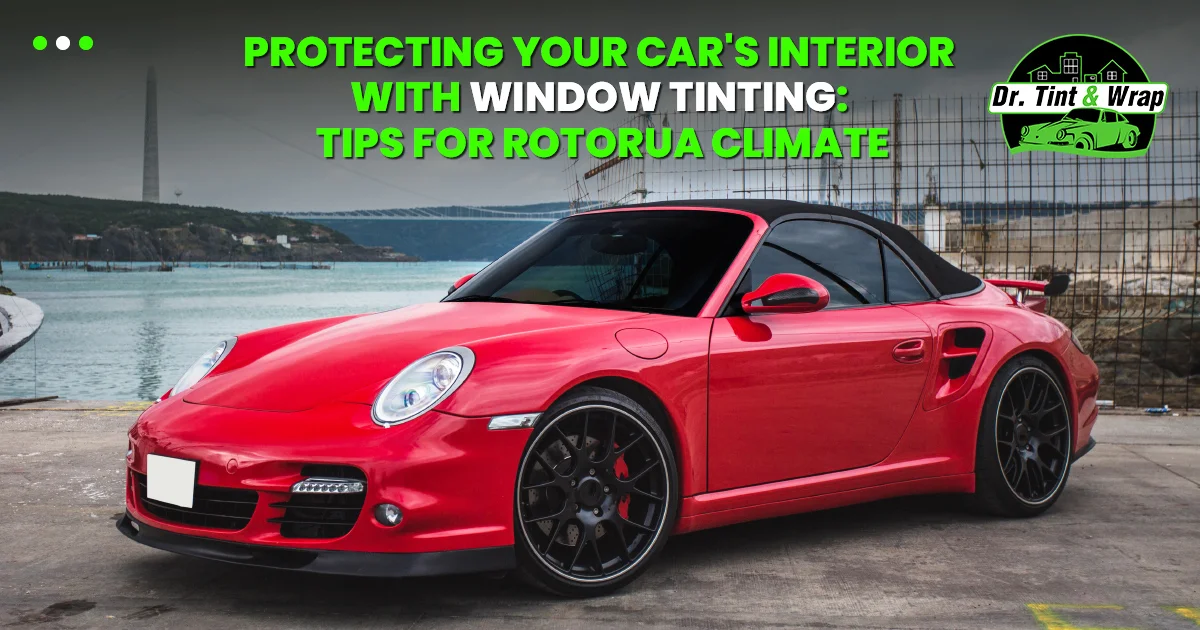
Protecting Your Car's Interior with Window Tinting: Tips for Rotorua Climate
17 Aug 2023, By AdminIf you are a resident of Rotorua or anywhere with a sunny climate, you know how intense the sun can be during the summer months. While enjoying the scenic beauty of the region, it's essential to consider your health and skin protection while driving. One effective way to combat the harmful effects of UV rays and maintain a comfortable driving experience is through car window tinting. In this blog, we will explore the benefits of car window tinting, particularly in the context of Rotorua's sunny weather.
The Need for Car Window Tinting in Rotorua
Rotorua is blessed with stunning landscapes, geothermal wonders, and an inviting climate. However, this also means prolonged exposure to sunlight, and the UV rays can have adverse effects on your health and skin. Let's dive into some reasons why car window tinting is crucial in this beautiful region:
1. Protection Against Harmful UV Rays:The intense sunlight in Rotorua contains harmful ultraviolet (UV) rays that can penetrate your car's windows. These rays can not only cause skin damage but also lead to premature aging and an increased risk of skin cancer. Car window tinting acts as a protective barrier, blocking a significant portion of UV rays and ensuring your skin's safety during daily commutes and road trips.
2. Skin Protection for Drivers: While driving, the left side of your body is more exposed to the sun, making it more susceptible to UV damage. Car window tinting can help protect the driver's skin from excessive UV radiation, reducing the risk of skin-related health issues in the long run.
3. Enhanced Comfort and Reduced Glare: Excessive sunlight and glare can make driving uncomfortable and hazardous, especially during the early morning and late afternoon. Window tinting significantly reduces glare, allowing you to drive with improved visibility and better focus on the road ahead.
4. Heat Reduction: Rotorua's hot climate can lead to uncomfortably high temperatures inside your car, especially when it's parked under direct sunlight. Car window tinting can significantly reduce the amount of heat that enters your vehicle, making your driving experience more pleasant and preventing the risk of heat-related illnesses.
5. Protection for Your Car's Interior: UV rays can also damage the interior of your car over time. Prolonged exposure can cause the dashboard, seats, and other surfaces to fade and deteriorate. Window tinting helps preserve your car's interior, maintaining its value and appearance for years to come.
Choosing the Right Window Tint
Now that we understand the importance of car window tinting in Rotorua, it's essential to choose the right tint for your car. There are various types of window tints available, each with different levels of UV protection, heat rejection, and light transmission. To get the best results, consider the following factors:
1. Visible Light Transmission (VLT): VLT indicates the amount of visible light that can pass through the window tint. Rotorua's regulations may specify the legal VLT limit for car window tinting, so ensure you comply with these guidelines.
2. UV Protection: Look for tints that offer high UV protection, as this is one of the primary reasons for getting your windows tinted.
3. Heat Rejection: For Rotorua's hot climate, choose a tint with good heat rejection properties to keep your car's interior cooler.
4. Warranty: Opt for window tinting products that come with a warranty, ensuring you have support in case of any issues. Professional Installation
To reap the full benefits of car window tinting, it is crucial to have the tint professionally installed. Experienced technicians will apply the tint evenly and without any air bubbles or imperfections, ensuring the best results in terms of aesthetics and functionality.
Car window tinting is not just about enhancing the appearance of your vehicle; it's an investment in your health and well-being. In sunny regions like Rotorua, protecting yourself from harmful UV rays is of paramount importance. Window tinting not only safeguards your skin but also provides a cooler and more comfortable driving experience. If you haven't considered car window tinting before, now is the time to do so. Stay cool, stay protected, and drive safely on the beautiful roads of Rotorua!
Dr. Tint & Wrap Rotorua offers top-notch car window tinting services, providing the best solutions to ensure health and skin protection. Their expert tinting helps block harmful UV rays, safeguarding passengers from potential skin damage and promoting a comfortable driving experience.
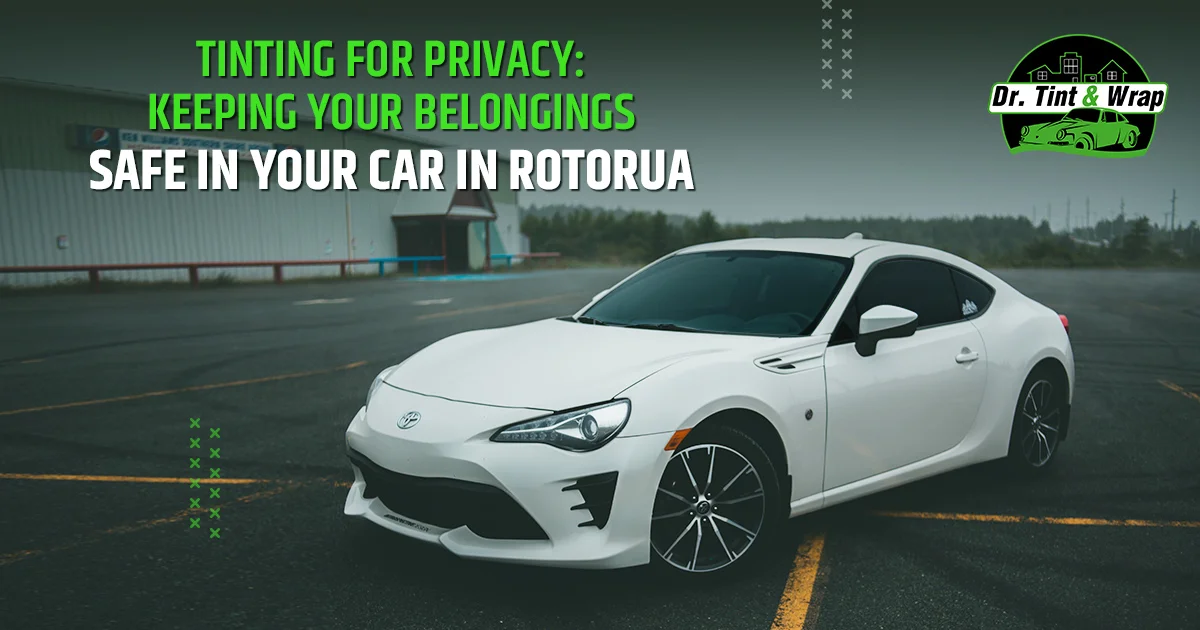
Tinting for Privacy: Keeping Your Belongings Safe in Your Car in Rotorua
17 Aug 2023, By AdminRotorua, a picturesque city nestled in New Zealand's North Island, is a haven for tourists and locals alike. Known for its geothermal wonders, stunning lakes, and Maori culture, Rotorua attracts numerous visitors throughout the year. However, with increased tourism and daily activities, it becomes crucial to address the issue of car safety and privacy. One effective solution that has gained popularity in recent years is car window tinting. In this blog, we will explore the benefits of car window tinting in Rotorua, focusing on privacy and keeping your belongings safe.
The Beauty of Rotorua and Its Challenges
Rotorua's natural beauty and vibrant culture make it an ideal destination for both short trips and extended vacations. From exploring the geothermal wonders at Wai-O-Tapu and Te Puia to enjoying a peaceful stroll around Lake Rotorua, the city offers a wide range of attractions for everyone. However, it's important to remember that every city faces its own unique challenges, and Rotorua is no exception.
Tourist hotspots can also attract opportunistic criminals who may target unattended vehicles, especially those with visible valuable belongings. Whether you're visiting a geothermal park or enjoying a Maori cultural performance, leaving your car in a public parking area can sometimes be a risky proposition.
Car Window Tinting: An Effective Solution
Car window tinting has emerged as an effective and popular solution to address privacy and security concerns for car owners in Rotorua. Tinting involves applying a thin, transparent film to the interior of the vehicle's windows. This film can significantly reduce the visibility into the car's interior while still allowing occupants to see outside clearly.
Here are some of the key benefits of car window tinting for privacy and security:
- Enhanced Privacy: With the right tinting level, you can obscure the view from outside, ensuring that prying eyes cannot easily see your personal belongings or the interior of your vehicle. This added privacy can provide peace of mind while you explore Rotorua's attractions, go for a hike, or have a relaxing time in a hot spring.
- Protection from UV Rays: Car window tinting can block harmful ultraviolet (UV) rays, which not only protect your skin from sun damage but also prevent your car's interior from fading and cracking over time. This added protection is particularly valuable in a place like Rotorua, where the sun can be intense.
- Temperature Regulation: Rotorua experiences varied weather conditions, and the summer months can get quite hot. Tinted windows can help regulate the interior temperature, reducing the need for excessive air conditioning and making your driving experience more comfortable.
- Shatter Resistance: In the unfortunate event of an accident, car window tinting can hold shattered glass together, reducing the risk of injury to the vehicle's occupants. Moreover, this added strength can also deter thieves from breaking into your car, as gaining access becomes more challenging.
Choosing the Right Tint
Before getting your car windows tinted, it's essential to be aware of New Zealand's specific tinting regulations, which stipulate the permissible Visible Light Transmission (VLT) levels for different windows. For instance, the front-side windows must have a minimum VLT of 35%, while the rear and rear-side windows can have a lower VLT. It's advisable to choose professional window tinting services to ensure the tinting is done within legal limits and to guarantee the quality of the installation.
Car window tinting is an effective solution for enhancing privacy and security while enjoying the beauty of Rotorua. Not only does it protect your belongings from prying eyes and provide shade from the sun, but it also contributes to the safety and comfort of your vehicle. Before getting your windows tinted, make sure to check the local regulations and seek professional services to ensure a successful and legal tinting job.
Dr. Tint & Wrap Rotorua is renowned for its exceptional car window tinting services, setting the standard for excellence in Rotorua. With their skilled technicians and top-of-the-line materials, they deliver unparalleled results that leave customers delighted and their vehicles stylishly protected.
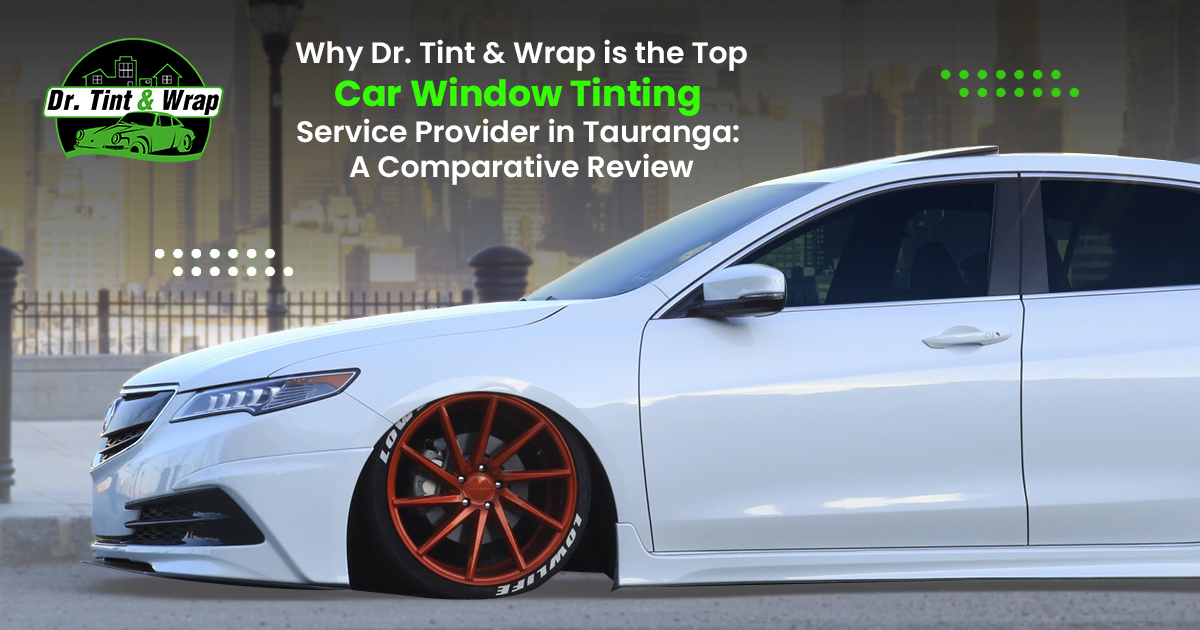
Why Dr. Tint & Wrap is the Top Car Window Tinting Service Provider in Tauranga: A Comparative Review
17 Aug 2023, By AdminWhen it comes to car window tinting in Tauranga, finding a reliable and skilled service provider is crucial. Among the various options available, Dr. Tint & Wrap has emerged as the top choice for car owners in the region. This comparative review explores the reasons why Dr. Tint & Wrap stands out from the competition and why it is considered the premier car window tinting service provider in Tauranga.
1. Exceptional Expertise and Experience
With years of experience in the industry, Dr. Tint & Wrap has built a solid reputation for its exceptional expertise in car window tinting. Their team consists of highly skilled professionals who are knowledgeable about the latest tinting techniques, industry trends, and regulations specific to Tauranga. This expertise ensures that customers receive high-quality services and optimal results.
2. Extensive Range of Services
Dr. Tint & Wrap offers a comprehensive range of services beyond window tinting, catering to the diverse needs of car owners. In addition to tinting, they provide services such as vehicle wrapping, paint protection film installation, and headlight restoration. This versatility sets them apart from competitors, providing customers with a one-stop solution for all their car enhancement needs.
3. Quality Materials and Cutting-Edge Technology
To ensure long-lasting and visually appealing results, Dr. Tint & Wrap utilizes only high-quality materials and cutting-edge technology. They partner with reputable suppliers to source top-grade window films that offer superior heat and UV protection, glare reduction, and privacy. The use of advanced tools and techniques during the tinting process guarantees precise and flawless installations.
4. Customization Options
Understanding that every customer has unique preferences, Dr. Tint & Wrap offers customization options to meet individual requirements. They provide a wide selection of tint shades, allowing customers to choose the level of darkness and appearance that suits their style. Additionally, their skilled technicians can provide expert advice and recommendations to help clients make informed decisions.
5. Excellent Customer Service
Dr. Tint & Wrap prioritizes customer satisfaction, evident in their commitment to providing excellent customer service. Their friendly and knowledgeable staff members are dedicated to addressing inquiries, providing accurate information, and ensuring a smooth and pleasant experience for every client. Positive reviews and testimonials from satisfied customers further attest to their exceptional service.
When it comes to car window tinting in Tauranga, Dr. Tint & Wrap stands out as the top service provider. Their combination of expertise, extensive services, quality materials, customization options, and excellent customer service sets them apart from competitors. Car owners can trust Dr. Tint & Wrap to deliver outstanding results and enhance their driving experience through their exceptional car window tinting services. .
One-Way Mirror Film Window Tinting: Window Film to See Out But Not In
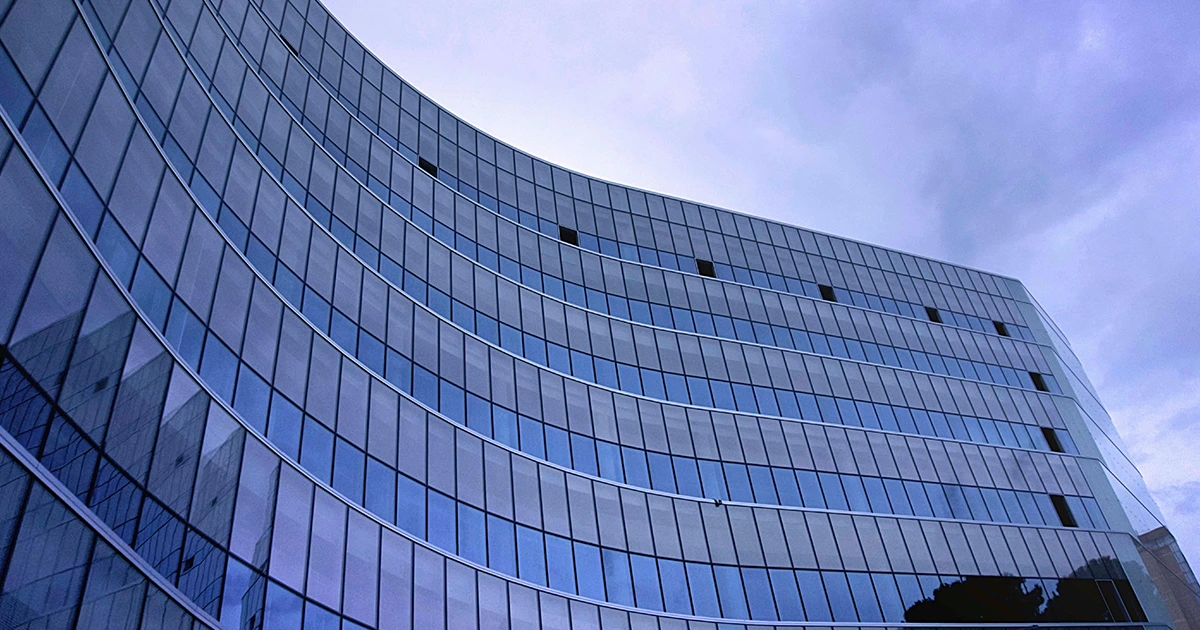
17 Aug 2023, By AdminIf you're seeking privacy while still enjoying an unobstructed view, one-way mirror film window tinting is a fantastic solution. This unique window treatment, often called one-way mirror glass film or simply one-way mirror film, allows you to see out clearly during the day while preventing others from seeing inside. In this blog, we’ll explore how this film works, its benefits, and considerations for using it.
How Does One-Way Mirror Film Work?
One-way mirror glass film works on the principle of light reflection. During the day, the side with more light (typically the outside) reflects light back, creating a mirrored effect. This prevents people from seeing inside while still allowing those inside to see out. The film does not block visibility entirely but gives the appearance of a mirror from the outside.
At night, however, this effect diminishes. If the lights inside are brighter than outside, the film will not prevent people from looking in. Therefore, additional privacy measures, like blinds or curtains, are often used in the evening.
Benefits of One-Way Mirror Film
-
Enhanced Privacy:
The primary advantage of a one-way mirror film is privacy. Whether you’re at home, in an office, or operating a business, this film keeps your interior spaces hidden from the outside world while still offering a clear view of the outdoors. It’s ideal for those who live or work in busy, high-traffic areas. -
Improved Energy Efficiency:
One-way mirror film can also help improve energy efficiency. By reflecting sunlight, it reduces heat buildup in your space, meaning less reliance on air conditioning during the summer months. This can lead to noticeable savings on your energy bill. -
UV Protection:
Along with reflecting light, many one-way mirror films offer UV protection. This reduces the amount of harmful ultraviolet rays entering your home or office, protecting furniture, flooring, and even your skin from sun damage. -
Aesthetic Appeal:
The mirrored appearance of the film provides a modern, sleek look to your windows. It's often used in commercial buildings for this reason, as it adds a professional and polished appearance to the exterior.
Applications of One-Way Mirror Film
One-way mirror glass film can be used in various settings:
- Homes: It’s perfect for residential spaces where you want to maintain privacy without sacrificing views, such as living rooms, kitchens, or home offices.
- Offices: Businesses often use one-way mirror film for conference rooms or executive offices to protect confidentiality while maintaining a visually open environment.
- Retail Stores: For storefronts, this film prevents people from seeing inside during the day but allows staff to observe the outside area freely.
- Public Buildings: Schools, hospitals, and other institutions often use one-way film to enhance security and maintain privacy without creating a closed-off feeling.
Considerations Before Installing One-Way Mirror Film
While one-way mirror film offers many benefits, there are some things to keep in mind:
- Daytime vs. Nighttime Privacy: Remember that the one-way effect only works when the light is brighter outside than inside. If you need 24-hour privacy, you may need to combine the film with other solutions, such as blinds or shades.
- Exterior Reflection: The mirrored exterior can reflect sunlight quite strongly. In some environments, this might cause glare, so it’s important to choose a film that balances reflection with practicality.
- Installation: Professional installation is recommended for one-way mirror film to ensure a smooth, bubble-free finish. Proper installation maximizes both the aesthetic appeal and functional benefits of the film.
One-way mirror film window tinting is a versatile and stylish solution for privacy, energy efficiency, and UV protection. Whether you’re looking to enhance the security of your home, office, or commercial space, this type of window tint allows you to enjoy the best of both worlds—clear views and privacy from those outside.
By choosing high-quality one-way mirror glass film, you can transform your windows into a powerful tool for managing light, temperature, and privacy, all while maintaining a sleek, modern appearance.
One-Way Mirror Film
While one-way mirror privacy window film isn't permitted in New Zealand, our Octane range of darkest legal tints offers a perfect solution. You can achieve that mirror-like appearance without risking fines or driving a non-compliant vehicle. With rich, deep blacks, our darkest legal tint delivers a striking look and enhanced privacy.
Ultimate Privacy, Day and Night—One-Way Mirror Window Film
Our Octane window tint is a top choice for many, offering a range of benefits:
- Exceptional Heat and Glare Reduction: Enjoy a cooler and more comfortable ride with superior heat and glare control, even on long journeys.
- Outstanding UV Protection: With up to 99% UV rejection, you and your family are shielded from harmful UV rays.
- Two Color Options: Choose from two dark shades to achieve the perfect one-way mirror effect you desire.
- Lifetime Nationwide Warranty: Benefit from peace of mind with our lifetime warranty, ensuring coverage across the country.
One-Way Window Film: See Out But Not In
One-way window film offers the perfect blend of daytime privacy while maintaining natural light in your home. Here’s why our "see out but not in" privacy window film is a great choice and the benefits it brings:
Tint a Home is New Zealand’s most trusted window tinting network, with over 50 years of experience. We provide a lifetime nationwide warranty for residential applications and offer interest-free payment plans (over 3, 6, 9, or 12 months) through Openpay.
Benefits of One-Way Window Film:
- Enhanced Privacy: Enjoy privacy without sacrificing natural light, allowing you to maintain your view while obscuring the view into your home.
- Temperature Control: Many privacy films help keep your home cooler in summer and warmer in winter, improving comfort and potentially lowering your energy bills.
- UV Protection: Protect your family and your home’s furnishings from harmful UV rays, reducing fading and sun damage.
Whether you need privacy in a street-facing lounge, a window overlooking your neighbors, or even your bathroom, our "see out but not in" window film is an excellent solution.
Book Now