One-Way Mirror Film Window Tinting: Window Film to See Out But Not In
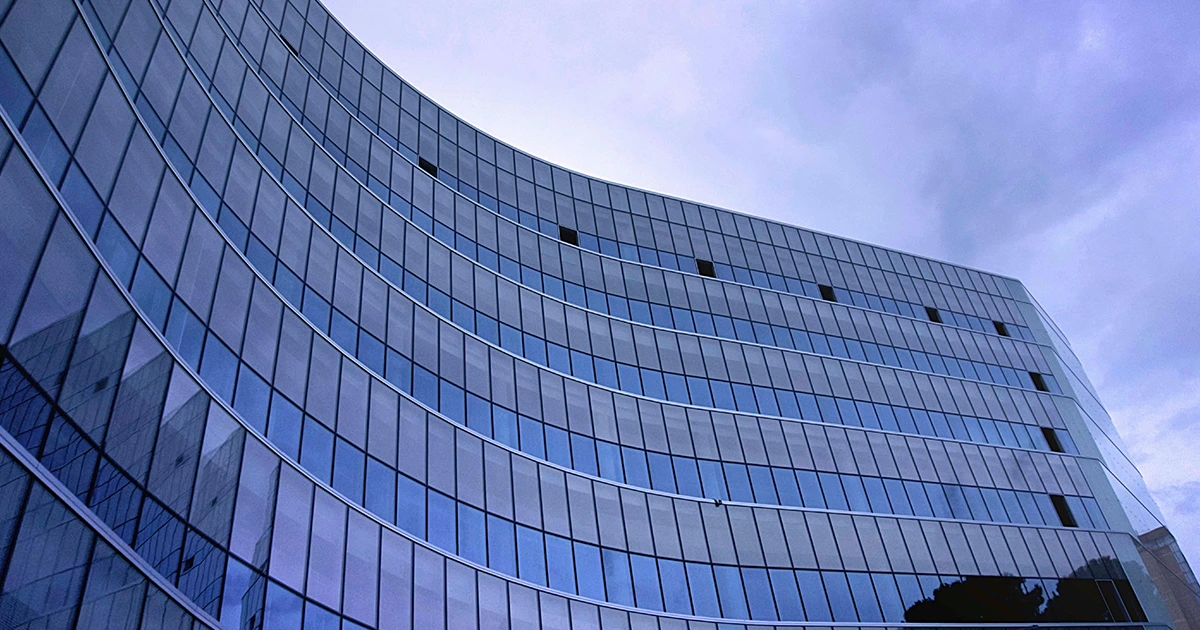
13 Sep 2024, By AdminIf you're seeking privacy while still enjoying an unobstructed view, one-way mirror film window tinting is a fantastic solution. This unique window treatment, often called one-way mirror glass film or simply one-way mirror film, allows you to see out clearly during the day while preventing others from seeing inside. In this blog, we’ll explore how this film works, its benefits, and considerations for using it.
How Does One-Way Mirror Film Work?
One-way mirror glass film works on the principle of light reflection. During the day, the side with more light (typically the outside) reflects light back, creating a mirrored effect. This prevents people from seeing inside while still allowing those inside to see out. The film does not block visibility entirely but gives the appearance of a mirror from the outside.
At night, however, this effect diminishes. If the lights inside are brighter than outside, the film will not prevent people from looking in. Therefore, additional privacy measures, like blinds or curtains, are often used in the evening.
Benefits of One-Way Mirror Film
-
Enhanced Privacy:
The primary advantage of a one-way mirror film is privacy. Whether you’re at home, in an office, or operating a business, this film keeps your interior spaces hidden from the outside world while still offering a clear view of the outdoors. It’s ideal for those who live or work in busy, high-traffic areas. -
Improved Energy Efficiency:
One-way mirror film can also help improve energy efficiency. By reflecting sunlight, it reduces heat buildup in your space, meaning less reliance on air conditioning during the summer months. This can lead to noticeable savings on your energy bill. -
UV Protection:
Along with reflecting light, many one-way mirror films offer UV protection. This reduces the amount of harmful ultraviolet rays entering your home or office, protecting furniture, flooring, and even your skin from sun damage. -
Aesthetic Appeal:
The mirrored appearance of the film provides a modern, sleek look to your windows. It's often used in commercial buildings for this reason, as it adds a professional and polished appearance to the exterior.
Applications of One-Way Mirror Film
One-way mirror glass film can be used in various settings:
- Homes: It’s perfect for residential spaces where you want to maintain privacy without sacrificing views, such as living rooms, kitchens, or home offices.
- Offices: Businesses often use one-way mirror film for conference rooms or executive offices to protect confidentiality while maintaining a visually open environment.
- Retail Stores: For storefronts, this film prevents people from seeing inside during the day but allows staff to observe the outside area freely.
- Public Buildings: Schools, hospitals, and other institutions often use one-way film to enhance security and maintain privacy without creating a closed-off feeling.
Considerations Before Installing One-Way Mirror Film
While one-way mirror film offers many benefits, there are some things to keep in mind:
- Daytime vs. Nighttime Privacy: Remember that the one-way effect only works when the light is brighter outside than inside. If you need 24-hour privacy, you may need to combine the film with other solutions, such as blinds or shades.
- Exterior Reflection: The mirrored exterior can reflect sunlight quite strongly. In some environments, this might cause glare, so it’s important to choose a film that balances reflection with practicality.
- Installation: Professional installation is recommended for one-way mirror film to ensure a smooth, bubble-free finish. Proper installation maximizes both the aesthetic appeal and functional benefits of the film.
One-way mirror film window tinting is a versatile and stylish solution for privacy, energy efficiency, and UV protection. Whether you’re looking to enhance the security of your home, office, or commercial space, this type of window tint allows you to enjoy the best of both worlds—clear views and privacy from those outside.
By choosing high-quality one-way mirror glass film, you can transform your windows into a powerful tool for managing light, temperature, and privacy, all while maintaining a sleek, modern appearance.
One-Way Mirror Film
While one-way mirror privacy window film isn't permitted in New Zealand, our Octane range of darkest legal tints offers a perfect solution. You can achieve that mirror-like appearance without risking fines or driving a non-compliant vehicle. With rich, deep blacks, our darkest legal tint delivers a striking look and enhanced privacy.
Ultimate Privacy, Day and Night—One-Way Mirror Window Film
Our Octane window tint is a top choice for many, offering a range of benefits:
- Exceptional Heat and Glare Reduction: Enjoy a cooler and more comfortable ride with superior heat and glare control, even on long journeys.
- Outstanding UV Protection: With up to 99% UV rejection, you and your family are shielded from harmful UV rays.
- Two Color Options: Choose from two dark shades to achieve the perfect one-way mirror effect you desire.
- Lifetime Nationwide Warranty: Benefit from peace of mind with our lifetime warranty, ensuring coverage across the country.
One-Way Window Film: See Out But Not In
One-way window film offers the perfect blend of daytime privacy while maintaining natural light in your home. Here’s why our "see out but not in" privacy window film is a great choice and the benefits it brings:
Tint a Home is New Zealand’s most trusted window tinting network, with over 50 years of experience. We provide a lifetime nationwide warranty for residential applications and offer interest-free payment plans (over 3, 6, 9, or 12 months) through Openpay.
Benefits of One-Way Window Film:
- Enhanced Privacy: Enjoy privacy without sacrificing natural light, allowing you to maintain your view while obscuring the view into your home.
- Temperature Control: Many privacy films help keep your home cooler in summer and warmer in winter, improving comfort and potentially lowering your energy bills.
- UV Protection: Protect your family and your home’s furnishings from harmful UV rays, reducing fading and sun damage.
Whether you need privacy in a street-facing lounge, a window overlooking your neighbors, or even your bathroom, our "see out but not in" window film is an excellent solution.
Book Now

What Is Car Wrapping and Why Should You Consider It?
13 Sep 2024, By AdminIn a world where personalization and individuality reign supreme, car enthusiasts and owners are constantly looking for unique ways to make their vehicles stand out. While custom paint jobs have long been a popular choice for personalizing a car's appearance, car wrapping has emerged as a revolutionary and cost-effective alternative. In this blog, we'll explore the concept of car wrapping and why you should consider it as a viable option for transforming your vehicle's look.
Why Should You Consider Car Wrapping?
- Aesthetic Freedom: Car wrapping offers an incredible degree of personalization. You can choose from a wide range of colors, patterns, and finishes to create a look that's uniquely yours. Whether you want a sleek matte black finish or a vibrant, attention-grabbing design, the possibilities are endless.
- Cost-Effective: Compared to a custom paint job, car wrapping is a more budget-friendly option. It allows you to change your vehicle's appearance without the high cost of a complete repaint.
- Protective Properties: The vinyl film provides a layer of protection for your car's original paint, shielding it from minor scratches, stone chips, and the effects of UV rays. When it's time to remove the wrap, your car's paint will look as good as new.
- Temporary or Reversible: Car wraps are not permanent modifications. If you decide you want a different look or if you're selling your vehicle, the wrap can be easily removed without damaging the original paint.
- Promotional and Branding Opportunities: Car wrapping is not limited to personal vehicles. Businesses often use vehicle wraps as an effective form of mobile advertising, turning their company cars into moving billboards.
- Resale Value: A well-maintained wrapped car can potentially fetch a higher resale value as the original paint underneath is protected from wear and tear.
- Quick Turnaround: Car wrapping typically takes less time than a traditional paint job, allowing you to get back on the road with your transformed vehicle sooner.
Choosing the Right Professional
For the best results, it's crucial to choose an experienced and reputable car wrapping professional. Look for someone who uses high-quality vinyl materials and has a portfolio of previous work. The skill and precision of the installer can make a significant difference in the final look and longevity of the wrap.
Car wrapping is a versatile and cost-effective way to personalize and protect your vehicle. Whether you're looking to change your car's color, create a unique design, or use your vehicle for advertising purposes, car wrapping offers numerous benefits. Plus, with easy removal and preservation of your car's resale value, it's a win-win choice for those who want to make a statement on the road. So, if you're considering a fresh look for your car, don't overlook the exciting world of car wrapping. It might just be the perfect solution for you.
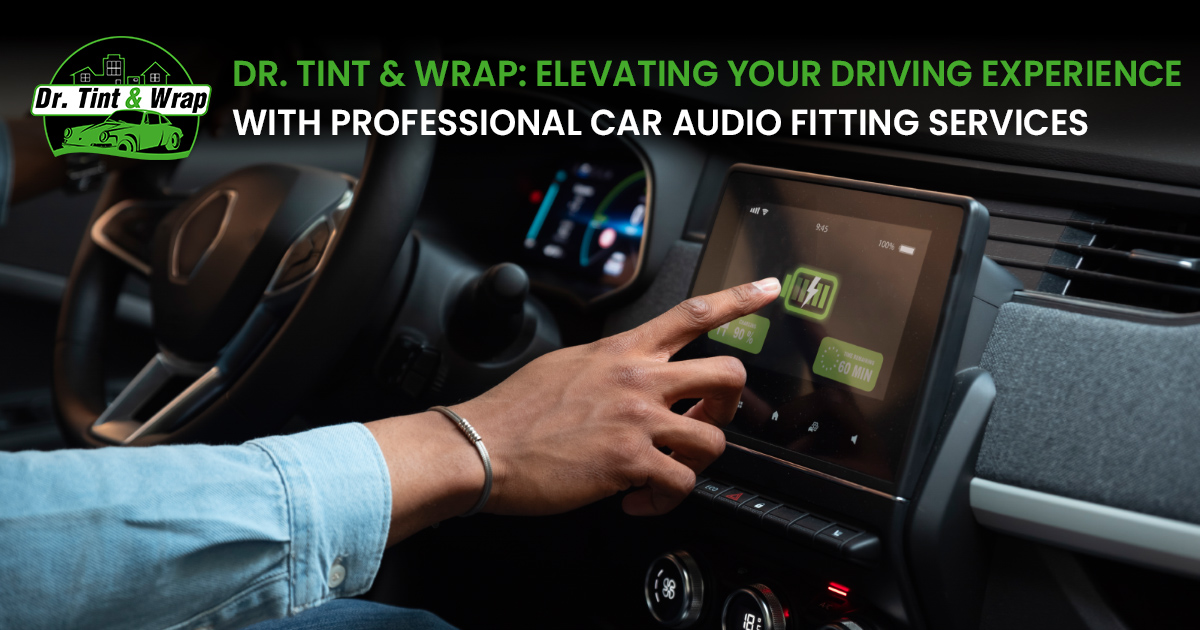
Dr. Tint & Wrap: Elevating Your Driving Experience with Professional Car Audio Fitting Services
13 Sep 2024, By AdminIn the ever-evolving world of automobile technology, one aspect remains timeless and treasured: the joy of music on the road. Whether you're cruising down the highway or stuck in traffic, the right car audio system can transform your drive into an unforgettable experience. Dr. Tint & Wrap, a renowned name in automotive customization, has taken the wheel by offering professional car audio fitting services that are second to none. In this blog, we'll delve into the importance of car audio fitting services and explore the numerous benefits of choosing Dr. Tint & Wrap for your audio upgrade needs.
The Importance of Car Audio Fitting Services
A car audio system is more than just a collection of speakers and wires; it's a harmonious blend of engineering and artistry. Properly installing and tuning these systems is crucial for unlocking their full potential. Here's why car audio fitting services are essential:
1. Sound Quality: Achieving optimal sound quality requires precise placement of speakers, subwoofers, and amplifiers. Professional installation ensures that your audio system delivers clear, balanced, and immersive sound.
2. Safety: DIY installations can lead to electrical issues, safety hazards, and voided warranties. Car audio fitting services by experts like Dr. Tint & Wrap guarantee a safe and reliable setup.
3. Aesthetics: Professional installers consider both functionality and aesthetics, seamlessly integrating components into your vehicle's interior for a polished and clean look.
4. Customization: Every car and owner is unique. Professional fitting services allow for customization, ensuring your audio system suits your preferences and style.
Benefits of Choosing Dr. Tint & Wrap
Dr. Tint & Wrap isn't just any car audio fitting service; they're a trusted name in the automotive customization industry. Here are some compelling reasons why you should consider them for your car audio upgrade:
1. Expertise: With years of experience, Dr. Tint & Wrap's technicians are skilled in the art of car audio installation. They understand the intricacies of different vehicle makes and models, ensuring a tailored solution for each client.
2. Premium Products: Dr. Tint & Wrap sources only the finest car audio components from top brands, guaranteeing high-quality sound and long-lasting performance.
3. Customization: Whether you're a bass enthusiast, an audiophile, or simply seeking improved sound clarity, Dr. Tint & Wrap can design and install a system that aligns with your unique preferences.
4. Cutting-Edge Technology: Staying up-to-date with the latest advancements, Dr. Tint & Wrap offers state-of-the-art audio systems with features like smartphone integration, touchscreens, and voice controls.
5. Attention to Detail: Beyond exceptional sound quality, Dr. Tint & Wrap pays meticulous attention to every detail, ensuring a seamless and aesthetically pleasing installation that complements your vehicle's interior.
6. Customer Satisfaction: Their commitment to customer satisfaction is unparalleled. Dr. Tint & Wrap takes the time to understand your requirements, making sure you leave their shop with a smile on your face.
When it comes to car audio fitting services, Dr. Tint & Wrap is the name you can trust. Elevate your driving experience with a professionally installed audio system that brings your favorite tunes to life. Say goodbye to subpar sound quality and hello to the symphony of music on the road. Contact Dr. Tint & Wrap today and embark on a journey of sonic excellence that will make every drive a memorable one. Your ears—and your passengers—will thank you.
Before You Spend Money on Ceramic Coatings, Here Are Some Things to Know
13 Sep 2024, By AdminWhen it comes to keeping your car looking brand new, one term that frequently pops up is ceramic coating. This innovative product has gained popularity among car enthusiasts for its ability to protect and enhance the appearance of your vehicle. But before you dive into the world of ceramic coatings, it's important to understand what you're investing in. Here's a comprehensive guide to help you make an informed decision.
What is Ceramic Coating?
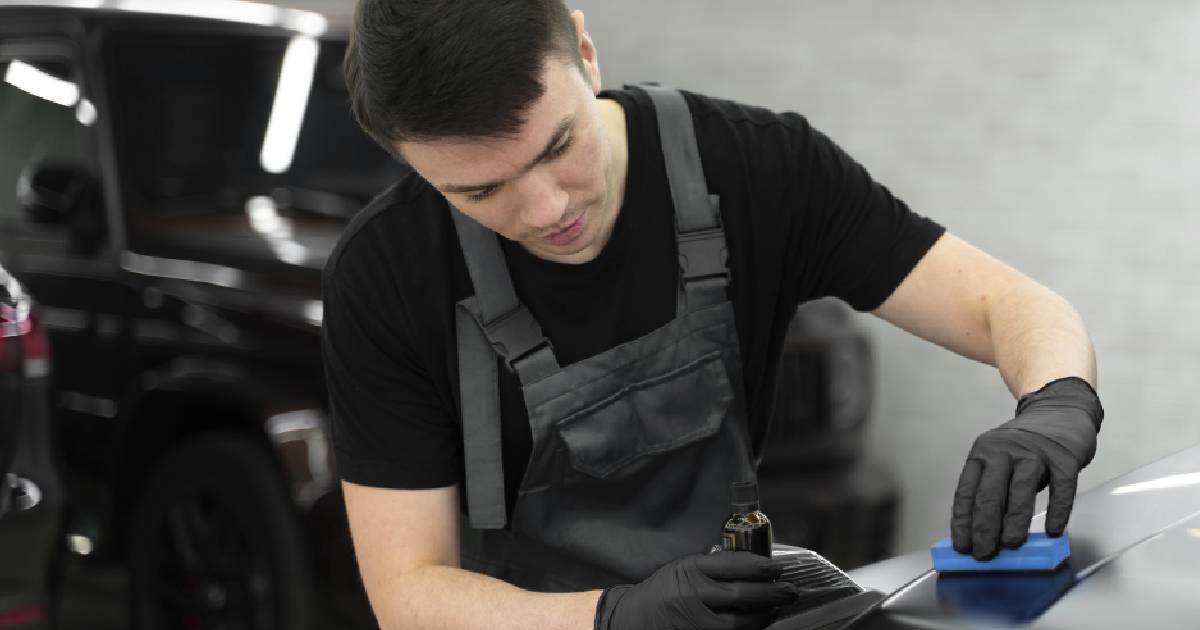
Ceramic coating is a liquid polymer that is applied to the exterior of a vehicle. When cured, it chemically bonds with the factory paint, creating a layer of protection. This coating is often made from silicon dioxide (SiO2) and sometimes incorporates other compounds like titanium dioxide (TiO2) to enhance its protective properties.
The Benefits of Ceramic Coating
- Enhanced Protection: One of the primary reasons car owners opt for ceramic coating is its ability to protect the car’s paint from external contaminants. This includes protection against UV rays, bird droppings, tree sap, acid rain, and even minor scratches.
- Hydrophobic Properties: Ceramic coatings provide a hydrophobic layer, meaning water and other liquids bead off the surface easily. This makes cleaning your car much easier and can prevent water spots and staining.
- Glossy Finish: A high-quality ceramic coating will give your car a deep, glossy shine that can make it look better than new. This glossy finish is often one of the most attractive features for car enthusiasts.
- Durability: Unlike traditional waxes or sealants that may last only a few months, a properly applied ceramic coating can last for years. This longevity means less frequent reapplication and more consistent protection over time.
Things to Consider Before Getting a Ceramic Coating
- Cost: High-quality ceramic coatings can be expensive. The cost varies based on the brand, the condition of your car’s paint, and whether you opt for a professional application or a DIY kit. Professional applications can range from a few hundred to several thousand dollars.
- Preparation: Applying a ceramic coating is not a simple process. The car’s paint needs to be thoroughly cleaned and decontaminated, and in many cases, paint correction is necessary to remove any imperfections. This prep work can be time-consuming and requires skill.
- Maintenance: While ceramic coatings reduce the need for frequent waxing, they still require maintenance. You’ll need to wash your car regularly using the right products to maintain the coating’s effectiveness and appearance.
- Realistic Expectations: Ceramic coatings are not bulletproof. They can protect against minor scratches and contaminants but won’t make your car invincible. Large impacts, deep scratches, and harsh chemicals can still damage your vehicle's paint.
- Choosing the Right Product: The market is flooded with ceramic coating products, and not all are created equal. Research and read reviews to find a reputable brand. Some well-known brands include CarPro Cquartz, Gtechniq, and Chemical Guys.
DIY vs. Professional Application
- DIY Kits: There are many DIY ceramic coating kits available that can be applied at home. These kits are usually less expensive than professional applications but may not offer the same level of protection or longevity. Additionally, the application process can be tricky and requires careful attention to detail.
- Professional Application: Opting for a professional application ensures that the coating is applied correctly and evenly. Professionals have access to high-grade products and the necessary tools to prepare your car’s paint properly. While this option is more expensive, it often results in better, longer-lasting protection.
Final Thoughts
Ceramic coating can be a great investment for those looking to protect their vehicle and maintain its showroom shine. However, it’s crucial to weigh the costs, understand the application process, and have realistic expectations about what the coating can and cannot do. Whether you choose a DIY kit or go for a professional application, proper maintenance is key to getting the most out of your ceramic coating. Do your research, and your car will thank you for it.
Investing in a ceramic coating can save you time and money in the long run while keeping your car looking its best. Happy driving!