Innovations in Car Wrap Technology: What's New in Tauranga?
08 Dec 2023, By AdminIntroduction
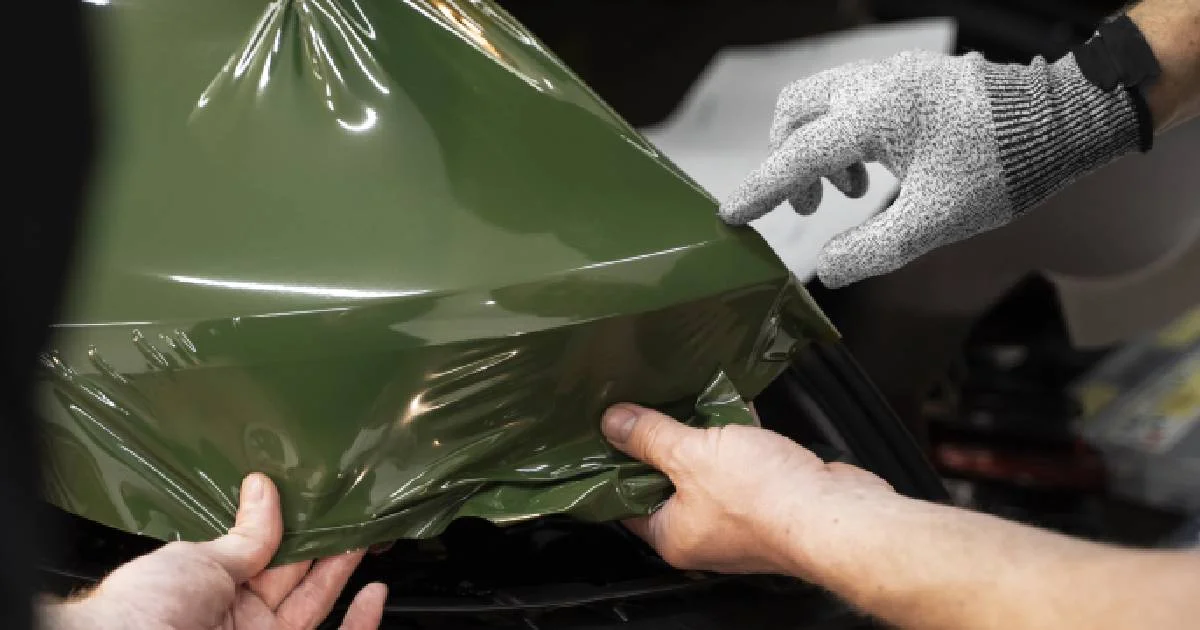
In the ever-evolving world of automotive customization, car wrapping has emerged as a revolutionary way to transform the appearance of vehicles. Tauranga, with its vibrant automotive culture, has witnessed a surge in the popularity of car wrapping. This trend isn't just about changing colors; it's about embracing cutting-edge technologies that redefine what's possible in the realm of vehicle aesthetics.
The Art and Science of Car Wrapping in Tauranga
Car wrapping is an art form that blends creativity with precision. Traditional vinyl wraps have been used for years, allowing car enthusiasts to change the color and finish of their vehicles. However, recent innovations have taken car wrapping to a whole new level in Tauranga.
The materials used in car wrapping have undergone significant advancements. High-quality vinyl films are now more durable, weather-resistant, and versatile than ever before. Tauranga's climate demands robust materials that can withstand both the scorching sun and the occasional rain, making these new vinyl films ideal for the region.
Imagine a car that changes color as it cruises through the streets of Tauranga – enter color-shift technology. This innovative feature allows the vehicle's hue to transform depending on the viewing angle and lighting conditions. Car wrapping in Tauranga has become a dynamic spectacle, with colors shifting from iridescent blues to mesmerizing purples, capturing the attention of onlookers.
Beyond just color, modern car wraps can now incorporate three-dimensional textures and effects. From carbon fiber patterns to metallic finishes, Tauranga's car enthusiasts can add a touch of luxury and sophistication to their vehicles. These textures not only look visually stunning but also provide a tactile experience, enhancing the overall appeal of the wrapped car.
Digital printing technology has enabled unparalleled levels of customization. Car wrapping in Tauranga now allows for intricate designs, intricate patterns, and even personalized graphics. Whether it's showcasing a brand logo or expressing individual style, digital printing brings a new dimension to the world of car aesthetics.
- Next-Gen Materials:
- Color-Shift Technology:
- 3D Textures and Effects:
- Digital Printing for Personalization:
What is car wrapping, and how does it differ from traditional paint jobs?
Car wrapping is a process where a vehicle's original paint is covered with a vinyl wrap. This technique provides a protective layer and allows for various designs. Unlike traditional paint jobs, car wrapping is temporary, and the original paint remains intact.
What are the latest innovations in car wrap technology in Tauranga?
Tauranga has witnessed advancements in car wrap technology, with the introduction of new materials such as color-shifting and textured vinyl wraps. These materials offer unique visual effects and textures, allowing for personalized and eye-catching designs.
How do color-shifting wraps work, and what makes them popular in Tauranga?
Color-shifting wraps use special pigments that change color depending on the viewing angle and lighting conditions. Tauranga car enthusiasts are drawn to these wraps for their ability to create a dynamic and captivating appearance, making vehicles stand out in any setting.
Are there eco-friendly options in car wrapping technology available in Tauranga?
Yes, eco-friendly car wrap options have gained popularity in Tauranga. Some wraps use sustainable materials, and the application process produces fewer emissions compared to traditional painting methods, aligning with the city's commitment to environmental sustainability.
Are there advancements in the durability of car wraps in Tauranga's climate?
Yes, Tauranga's unique climate considerations have led to the development of car wraps with enhanced durability. These wraps are designed to withstand the region's exposure to sunlight, humidity, and salt air, ensuring a longer lifespan and vibrant appearance.
How has technology impacted the design possibilities for car wraps in Tauranga?
Technological advancements have expanded design possibilities significantly. Tauranga's car wrapping industry now employs computer-aided design (CAD) software and digital printing technologies, allowing for intricate and detailed custom designs, logos, and patterns.
Conclusion
In Tauranga, the world of car wrapping is experiencing a renaissance, where technology meets creativity on the open road. The innovations in car wrap technology discussed above represent just the tip of the iceberg. As the city continues to embrace individuality and expression, one can only anticipate more groundbreaking developments in the ever-evolving world of car wraps. So, the next time you find yourself on the streets of Tauranga, keep an eye out for these marvels of innovation – the cars that wear their personalities on the outside for all to see.
Innovations in Car Wrap Technology: What's New in Tauranga?
08 Dec 2023, By AdminIntroduction
In the ever-evolving world of automotive customization, car wrapping has emerged as a revolutionary way to transform the appearance of vehicles. Tauranga, with its vibrant automotive culture, has witnessed a surge in the popularity of car wrapping. This trend isn't just about changing colors; it's about embracing cutting-edge technologies that redefine what's possible in the realm of vehicle aesthetics.
The Art and Science of Car Wrapping in Tauranga
Car wrapping is an art form that blends creativity with precision. Traditional vinyl wraps have been used for years, allowing car enthusiasts to change the color and finish of their vehicles. However, recent innovations have taken car wrapping to a whole new level in Tauranga.
The materials used in car wrapping have undergone significant advancements. High-quality vinyl films are now more durable, weather-resistant, and versatile than ever before. Tauranga's climate demands robust materials that can withstand both the scorching sun and the occasional rain, making these new vinyl films ideal for the region.
Imagine a car that changes color as it cruises through the streets of Tauranga – enter color-shift technology. This innovative feature allows the vehicle's hue to transform depending on the viewing angle and lighting conditions. Car wrapping in Tauranga has become a dynamic spectacle, with colors shifting from iridescent blues to mesmerizing purples, capturing the attention of onlookers.
Beyond just color, modern car wraps can now incorporate three-dimensional textures and effects. From carbon fiber patterns to metallic finishes, Tauranga's car enthusiasts can add a touch of luxury and sophistication to their vehicles. These textures not only look visually stunning but also provide a tactile experience, enhancing the overall appeal of the wrapped car.
Digital printing technology has enabled unparalleled levels of customization. Car wrapping in Tauranga now allows for intricate designs, intricate patterns, and even personalized graphics. Whether it's showcasing a brand logo or expressing individual style, digital printing brings a new dimension to the world of car aesthetics.
- Next-Gen Materials:
- Color-Shift Technology:
- 3D Textures and Effects:
- Digital Printing for Personalization:
What is car wrapping, and how does it differ from traditional paint jobs?
Car wrapping is a process where a vehicle's original paint is covered with a vinyl wrap. This technique provides a protective layer and allows for various designs. Unlike traditional paint jobs, car wrapping is temporary, and the original paint remains intact.
What are the latest innovations in car wrap technology in Tauranga?
Tauranga has witnessed advancements in car wrap technology, with the introduction of new materials such as color-shifting and textured vinyl wraps. These materials offer unique visual effects and textures, allowing for personalized and eye-catching designs.
How do color-shifting wraps work, and what makes them popular in Tauranga?
Color-shifting wraps use special pigments that change color depending on the viewing angle and lighting conditions. Tauranga car enthusiasts are drawn to these wraps for their ability to create a dynamic and captivating appearance, making vehicles stand out in any setting.
Are there eco-friendly options in car wrapping technology available in Tauranga?
Yes, eco-friendly car wrap options have gained popularity in Tauranga. Some wraps use sustainable materials, and the application process produces fewer emissions compared to traditional painting methods, aligning with the city's commitment to environmental sustainability.
Are there advancements in the durability of car wraps in Tauranga's climate?
Yes, Tauranga's unique climate considerations have led to the development of car wraps with enhanced durability. These wraps are designed to withstand the region's exposure to sunlight, humidity, and salt air, ensuring a longer lifespan and vibrant appearance.
How has technology impacted the design possibilities for car wraps in Tauranga?
Technological advancements have expanded design possibilities significantly. Tauranga's car wrapping industry now employs computer-aided design (CAD) software and digital printing technologies, allowing for intricate and detailed custom designs, logos, and patterns.
Conclusion
In Tauranga, the world of car wrapping is experiencing a renaissance, where technology meets creativity on the open road. The innovations in car wrap technology discussed above represent just the tip of the iceberg. As the city continues to embrace individuality and expression, one can only anticipate more groundbreaking developments in the ever-evolving world of car wraps. So, the next time you find yourself on the streets of Tauranga, keep an eye out for these marvels of innovation – the cars that wear their personalities on the outside for all to see.
The Top Benefits of Car Window Tinting in Rotorua
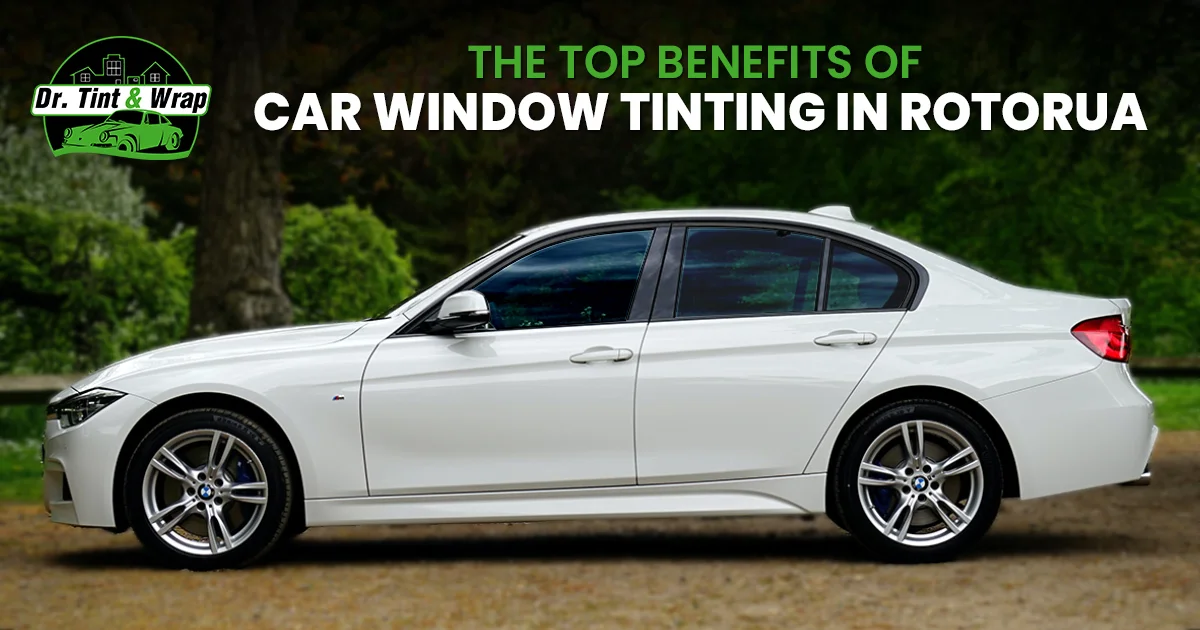
08 Dec 2023, By AdminIn the picturesque city of Rotorua, where stunning landscapes meet abundant sunshine, car window tinting has become more than just a trend—it's a practical necessity. Whether you're a local or a visitor, understanding the benefits of car window tinting in Rotorua is essential for a comfortable and protected driving experience. In this blog, we'll delve into the top advantages of car window tinting in Rotorua, focusing on the keyword "Car Window Tinting Rotorua."
1. UV Protection: Shielding You and Your Car Interior
Rotorua is known for its sunny weather, and with the sun comes harmful UV rays. Car window tinting is your first line of defense against these rays, as it can block a significant portion of them. Not only does this protect your skin from potential damage during your drive, but it also safeguards your car's interior from fading and deterioration caused by prolonged sun exposure.2. Enhanced Privacy: Peace of Mind on the Road
Privacy is a valuable asset, especially when driving through the bustling streets of Rotorua. Window tinting provides an added layer of privacy by making it harder for prying eyes to see into your vehicle. This added security ensures your personal space remains personal, whether you're stuck in traffic or parked in a busy area.
3. Heat Reduction: Stay Cool Even on the Hottest Days
Rotorua's summers can be scorching, and the inside of your car can quickly turn into an oven. Car window tinting is your ally in staying cool. By blocking a significant portion of the sun's heat, tinted windows help regulate the temperature inside your vehicle, ensuring a more comfortable ride even during the hottest days.
4. Glare Reduction: Clearer Visibility, Safer Driving
Glare from the sun can be blinding and dangerous while driving. Car window tinting in Rotorua helps reduce glare, providing better visibility and reducing the strain on your eyes. This results in safer and more comfortable driving conditions, especially during sunrise and sunset.
5. Interior Preservation: Keep Your Car Looking New
Rotorua's sun can be harsh on your car's interior, causing it to fade and deteriorate over time. Window tinting acts as a protective shield, preventing sun damage to your dashboard, upholstery, and other interior components. This preservation not only keeps your car looking newer for longer but also maintains its resale value.
6. Energy Efficiency: Reduced Air Conditioning Use
With car window tinting in Rotorua, you'll find yourself relying less on your car's air conditioning system. This reduced need for cooling can lead to improved fuel efficiency and savings at the pump, all while reducing your carbon footprint.
7. Customization: Personalize Your Ride
Car window tinting isn't just practical; it's also an opportunity to customize your vehicle. You can choose from various tint shades and styles to achieve the look you desire while still enjoying all the functional benefits.
Car window tinting in Rotorua isn't just a luxury; it's a practical investment that enhances your driving experience and protects both you and your vehicle from the challenges posed by the city's climate. From UV protection to privacy and heat reduction, the benefits are clear. So, if you want to enjoy safer, more comfortable, and stylish drives through Rotorua, consider car window tinting as a valuable addition to your vehicle. Experience the advantages of "Car Window Tinting Rotorua" firsthand and make the most of your time on the road.

Love Your Car? Show It Some Love with Paint Protection Film
08 Dec 2023, By AdminOwning a car is more than just a mode of transportation – it's a reflection of your personality and a source of pride. Whether you have a brand-new luxury vehicle or a trusted companion that has seen its fair share of adventures, maintaining its appearance is essential. This is where Paint Protection Film (PPF) steps in as the modern-day armor for your beloved automobile.
The Evolution of Car Care
In the not-so-distant past, car owners relied on waxing and polishing to preserve the shine and finish of their vehicles. However, the automotive industry has seen remarkable advancements, and the introduction of Paint Protection Film has transformed the way we care for our cars.
Unveiling Paint Protection Film (PPF)
Paint Protection Film, often referred to as clear bra, is a transparent, ultra-thin polyurethane film that is meticulously applied to the exterior surfaces of a vehicle. This film acts as a shield, protecting the car's paintwork from various forms of damage that it encounters on the road.
Benefits of Paint Protection Film
1. Guard against Scratches and Chips: Gravel, rocks, road debris, and even minor accidental brushes can leave unsightly scratches and chips on your car's paint. PPF acts as a sacrificial layer, absorbing the impact and preventing these damages from reaching your car's finish.
2. Preserve the Paint's Gloss:PPF is designed to resist yellowing and clouding over time, ensuring that your car's shine remains intact for years. This allows you to retain that 'just out of the showroom' appearance, enhancing the resale value of your vehicle.
3. UV Radiation and Chemical Resistance: The sun's harmful UV rays and environmental contaminants can cause fading and damage to your car's paint. PPF offers protection against these elements, maintaining the vibrancy of your vehicle's color.
4. Self-Healing Properties: Some advanced PPF formulations have self-healing properties. Minor scratches and swirls on the film disappear when exposed to heat, maintaining a flawless appearance.
Installation Process
The installation of Paint Protection Film requires skill and precision. Trained professionals apply the film using a combination of heat and specialized tools to ensure a seamless and invisible finish. While it's possible to install PPF yourself, it's recommended to seek professional assistance for the best results.
Caring for Your Protected Car
Caring for a car with Paint Protection Film is relatively straightforward. Regular washing and detailing routines can be continued as usual. Opt for gentle cleaning products and techniques to ensure the longevity of the film's appearance.
In a world where appearances matter, Paint Protection Film emerges as a modern solution for car enthusiasts and everyday drivers alike. Its ability to shield against the rigors of the road while preserving your car's aesthetics is a testament to the advancements in automotive care. So, if you love your car, why not show it some love by investing in the ultimate form of protection – Paint Protection Film. Your car will thank you with a brilliant and ageless shine that turns heads wherever you go. Dr. Tint & Wrap is your premier destination for top-tier Paint Protection Film (PPF) services, ensuring your vehicle's pristine finish remains untouched by road hazards and wear. With expert installation and a commitment to preserving your car's allure, Dr. Tint & Wrap takes automotive protection to the next level.