How to Find the Best Car Window Tinting Service in Hamilton
15 Dec 2023, By AdminIntroduction
Car window tinting not only enhances the aesthetics of your vehicle but also provides numerous benefits such as UV protection, heat reduction, and increased privacy. If you're in Hamilton and in search of the best car window tinting service, you've come to the right place. In this guide, we'll walk you through the steps to find the perfect tinting service for your car, ensuring quality and customer satisfaction.
Why is car window tinting important?
Car window tinting offers several benefits, including UV protection, heat reduction, enhanced privacy, and aesthetic appeal. It also helps protect your vehicle's interior from sun damage.
How can I find car window tinting services in Hamilton?
Start by searching online using the keyword 'car window tinting Hamilton.' You'll find a list of service providers in the area. Additionally, ask for recommendations from friends, family, or local car enthusiasts.
What factors should I consider when choosing a tinting service?
Consider the experience of the service provider, the quality of tint films used, customer reviews, and the warranty offered. Check if they comply with local tinting regulations and offer a variety of tint shades to suit your preferences.
Is it essential to choose a licensed and insured service?
Yes, it's crucial. A licensed and insured service provider ensures professionalism and compliance with industry standards. It also protects you in case of any unforeseen issues during the tinting process.
What types of tint films are available, and how do I choose the right one?
There are various tint film options, including dyed, metalized, carbon, and ceramic films. The choice depends on your priorities—whether you prioritize heat reduction, UV protection, or a particular aesthetic. Ask the service provider for recommendations based on your needs.
Are there different types of window tint films, and how do I choose the right one for my car in Hamilton?
Yes, there are various types of window tint films, and choosing the right one depends on your preferences and needs:
- Dyed Film: Offers a non-reflective appearance and absorbs solar heat. It's a budget-friendly option but may not provide as much heat rejection as other types.
- Metalized Film Provides excellent heat rejection and durability. It contains metallic particles for added sun protection but may interfere with electronic signals.
- Carbon Film Combines matte finish with high heat rejection. Carbon tinting is known for its color stability and does not interfere with signals.
- Ceramic Film Offers superior heat rejection without using metal layers. It is non-metallic, non-conductive, and allows for excellent visibility. However, it tends to be more expensive.
Consider your budget, aesthetic preferences, and desired level of heat rejection when choosing the right tint for your car in Hamilton. Discuss these factors with the tinting service to make an informed decision.
By considering these factors and asking the right questions, you can find the best car window tinting service in Hamilton that meets your needs and provides quality results.
Is Ceramic Coating Good For Your Car ?
15 Dec 2023, By AdminIn the world of automotive care and detailing, ceramic coatings have gained immense popularity for their promise of providing long-lasting protection and a stunning, glossy finish for your vehicle. But is ceramic coating really worth the hype, and is it good for your car? Let's delve into the pros and cons of ceramic coatings to help you make an informed decision.
Pros
- Long-lasting Protection: Ceramic coatings create a durable and protective layer on your car's paintwork. This layer is resistant to various environmental contaminants such as bird droppings, tree sap, bug splatter, and harsh weather conditions. It helps prevent oxidation and fading, keeping your car looking newer for a more extended period.
- Enhanced Gloss and Shine: One of the most noticeable benefits of ceramic coating is the enhancement of your car's appearance. The coating provides a deep, glossy finish that can make your vehicle stand out and look freshly waxed at all times.
- Easy Maintenance: Ceramic coatings make cleaning and maintaining your car a breeze. The hydrophobic properties of the coating repel water and contaminants, reducing the chances of dirt and grime sticking to the surface. This not only makes washing your car easier but also less frequent.
- UV Protection: Ceramic coatings offer UV resistance, protecting your car's paint from the harmful effects of the sun. UV rays can cause paint to fade and deteriorate over time, and a ceramic coating acts as a barrier, preventing these damaging effects.
- Chemical Resistance: The coating provides a shield against various chemicals found in bird droppings, tree sap, and bug splatter. This chemical resistance ensures that these contaminants do not etch into the paintwork, minimizing the risk of permanent damage.
Cons
- Application Requires Skill: Applying ceramic coating is a meticulous process that requires skill and attention to detail. While some DIY kits are available, achieving professional-level results often requires experience and expertise. Improper application may lead to uneven coverage and reduced effectiveness.
- High Initial Cost: Quality ceramic coatings can be relatively expensive, especially when compared to traditional waxes and sealants. However, many enthusiasts argue that the long-term benefits and reduced maintenance costs justify the initial investment.
- Not Scratch-Proof: While ceramic coatings provide a protective barrier against many contaminants, they are not scratch-proof. They can resist minor scratches and swirls to some extent, but a high level of care is still necessary to avoid more significant damage.
- Limited Correction Abilities: Once applied, ceramic coatings are challenging to remove without professional intervention. Additionally, they have limited corrective abilities for existing paint imperfections such as scratches or swirl marks. Proper paint correction should be done before applying the coating for optimal results.
Is ceramic coating really effective in protecting your car's paint?
Yes, ceramic coating is highly effective in protecting your car's paint. It forms a strong, transparent layer on the surface of your vehicle that acts as a sacrificial barrier against various environmental contaminants. This includes dirt, bird droppings, tree sap, UV rays, and harsh weather conditions. The coating provides a durable shield that helps prevent oxidation and fading, keeping your car's paint looking glossy and vibrant for an extended period.
Does ceramic coating make my car completely scratch-proof?
While ceramic coatings do offer a higher level of scratch resistance compared to unprotected paint, they are not completely scratch-proof. The coating can withstand light scratches and swirl marks, providing an additional layer of protection. However, it is important to note that heavy or deep scratches can still occur, and it's advisable to avoid abrasive materials during cleaning to minimize the risk of scratches.
How long does ceramic coating last on a car?
The longevity of ceramic coating depends on various factors, including the quality of the product, application technique, and the maintenance of the vehicle. Generally, a professionally applied ceramic coating can last anywhere from one to five years. Regular maintenance, such as washing the car with pH-neutral soaps and avoiding abrasive cleaning methods, can help extend the lifespan of the coating.
Is ceramic coating worth the cost?
The cost of the ceramic coating varies depending on factors such as the product used, the size of the vehicle, and whether it's applied by a professional. While it is a significant upfront investment, many car owners find it worthwhile for the long-term benefits. The enhanced protection, ease of maintenance, and prolonged aesthetic appeal of the car can make ceramic coating a valuable investment for those who prioritize the appearance and longevity of their vehicle's paint.
How Much Does It Cost To Do Ppf On A Car ?
15 Dec 2023, By AdminIn the world of automotive enthusiasts and meticulous car owners, the quest for preserving a vehicle's pristine appearance often leads to the consideration of Paint Protection Film (PPF). Hamilton, with its vibrant automotive culture, has seen an increased interest in this cutting-edge technology. As car owners seek ways to shield their beloved vehicles from the rigors of daily driving and environmental hazards, understanding the costs associated with PPF becomes crucial. In this guide, we'll delve into the factors influencing the cost of PPF in Hamilton and provide insights into the value it offers.
What is Paint Protection Film?
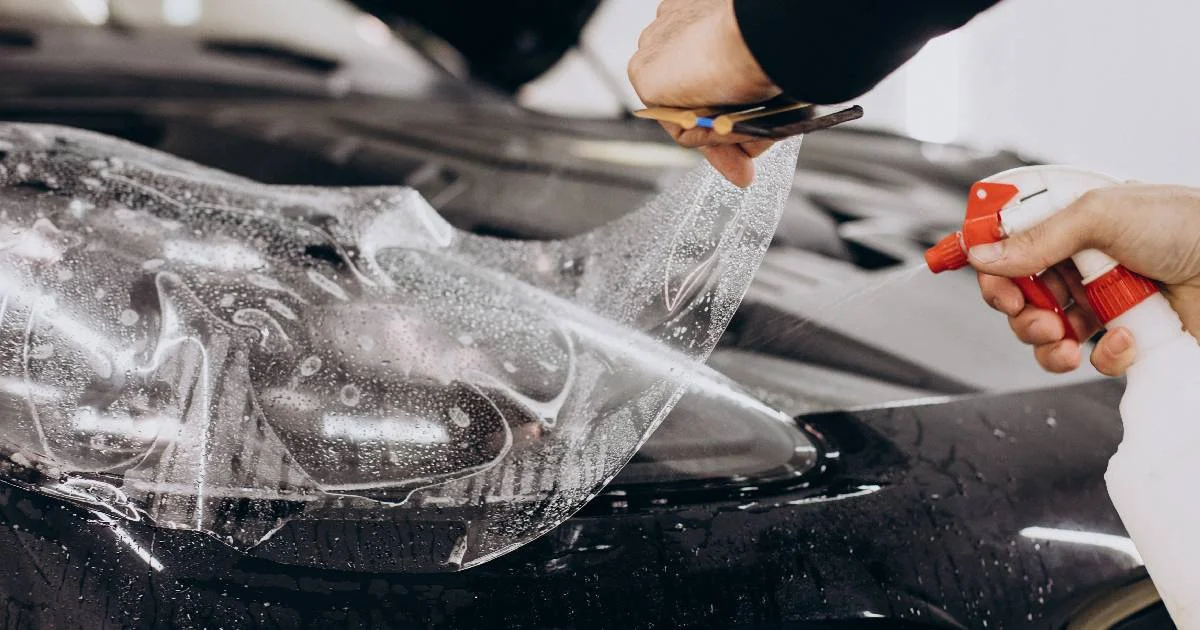
Paint Protection Film, often referred to as PPF, is a transparent polyurethane film applied to the exterior surfaces of a vehicle to protect the paint from stone chips, bug splatter, bird droppings, road debris, and other environmental contaminants. It acts as an invisible shield, preserving the car's finish and maintaining its resale value
Factors Influencing PPF Costs in Hamilton
- Type and Quality of Film: The market offers various types and qualities of PPF, ranging from basic films to high-end, self-healing varieties. The cost of PPF can vary significantly based on the brand, thickness, and features of the film. Premium films may have a higher upfront cost but provide superior protection and durability.
- Size and Complexity of the Vehicle: Larger vehicles or those with complex body contours may require more PPF material and additional labor for installation. Sports cars, luxury vehicles, and SUVs typically have larger surface areas, influencing the overall cost.
- Installation Labor Costs: The skill and experience of the installer play a crucial role in the cost of PPF. Hamilton boasts several skilled professionals and their expertise may be reflected in the labor costs. However, choosing a reputable installer is essential to ensure proper application and optimal protection.
- Coverage Areas: Car owners can choose specific areas for PPF coverage, such as the full front end, hood, fenders, side mirrors, and more. The more extensive the coverage, the higher the overall cost. Some opt for a full-body wrap for comprehensive protection.
- Customization and Design: Some PPF installations involve customization, such as patterns, logos, or unique designs. These personalized touches can add to the overall cost but allow for a one-of-a-kind look while maintaining protection.
- Warranty and Aftercare: High-quality PPF often comes with extended warranties. The length and terms of the warranty can impact the upfront cost but provide peace of mind for car owners. Additionally, factoring in aftercare products for maintenance is essential to ensure the film's longevity.
How much does PPF typically cost in Hamilton?
The cost of PPF installation in Hamilton can vary based on several factors, including the size and model of your vehicle, the type of PPF used, and the complexity of the installation. On average, PPF Prices start from $1150. It's advisable to obtain quotes from reputable PPF installers in Hamilton for accurate pricing based on your specific car.
Investing in Paint Protection Film for your car in Hamilton is a strategic decision to safeguard your vehicle's aesthetics and resale value. The costs associated with PPF vary based on factors like the type of film, the size of the vehicle, labor, and customization options. While the initial investment may seem significant, the long-term benefits in terms of paint preservation and overall appearance make PPF a worthwhile consideration for car enthusiasts and those looking to protect their automotive investments in the vibrant city of Hamilton.
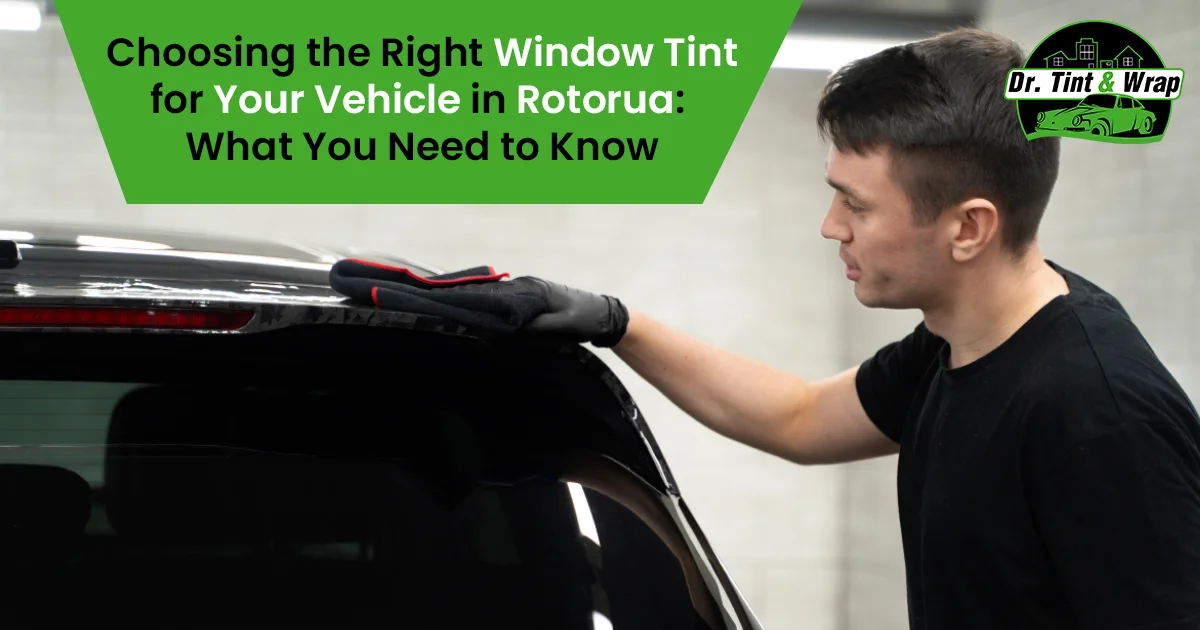
Choosing the Right Window Tint for Your Vehicle in Rotorua: What You Need to Know
15 Dec 2023, By AdminRegarding enhancing your vehicle's aesthetics and improving your driving experience in Rotorua, car window tinting is a popular choice among vehicle owners. The process of applying a thin layer of film to your car's windows offers numerous benefits, from reducing glare and UV radiation to providing increased privacy. However, choosing the right window tint for your car in Rotorua is crucial to ensure compliance with local regulations and achieve the desired results. In this blog, we will explore the key factors to consider when opting for car window tinting in Rotorua and why selecting a reputable service provider is essential for a successful installation.
1. Familiarize Yourself with Local Regulations
Before diving into the different types of window tints available, it's essential to understand the specific regulations governing car window tinting in Rotorua. New Zealand has strict laws regarding the darkness levels of window tints, which vary for different windows on the vehicle. Compliance with these laws is crucial to avoid legal complications and ensure a safe driving experience.
2. Types of Window Tints
Car window tints come in various materials, each offering different benefits and appearances. The most common types of window tints include:
a) Dyed Window Tinting: This type of tint uses multiple layers of dye to absorb solar heat and reduce glare. Dyed window tints are generally more affordable but may fade over time.
b) Metalized Window Tinting: Metalized tints are known for their heat-rejecting properties. They are durable, block UV rays effectively, and provide a reflective appearance. However, they may interfere with electronic signals like GPS and cell phone reception.
c) Carbon Window Tinting: Carbon tints are a premium option, offering superior heat rejection, reduced fading, and a sleek matte appearance. They do not interfere with electronic signals and are less prone to bubbling or discolouration.
d) Ceramic Window Tinting: Ceramic tints are the top-of-the-line choice, providing excellent heat reduction without affecting electronic devices. They also offer maximum UV protection and do not fade over time. However, they tend to be more expensive than other types of tints.
3. Consider Your Needs
While all window tints provide benefits such as heat reduction and UV protection, your specific requirements and preferences will help you choose the best option. If you're primarily concerned about cost-effectiveness, dyed or metalized tints may be suitable. For a balance between performance and aesthetics, carbon tints are an excellent choice. If budget is not a concern and you want the best of the best, ceramic tints are the way to go.
4. Seek Professional Installation
Professional installation is crucial to achieve optimal results regardless of the type of window tint you choose. A reputable car window tinting service in Rotorua will have skilled technicians who understand local regulations and can ensure a flawless application. DIY tinting or low-quality installation might lead to bubbling, peeling, or improper tint darkness, which not only looks unsightly but can also hinder visibility and compromise safety.
Car window tinting in Rotorua can be a game-changer for your vehicle, providing various benefits ranging from improved aesthetics to increased comfort and privacy. However, it's vital to educate yourself on local regulations, explore the different types of window tints available, and select a reliable service provider to ensure a successful installation. Dr. Tint & Wrap Rotorua is the ideal choice for your vehicle's window tinting needs in Rotorua, offering expert service and top-quality products to ensure optimal results. With their experienced team and commitment to customer satisfaction, you can trust them to provide the best window tinting solution for your car.