How Car Window Tinting Enhances the Aesthetics of Your Vehicle in Tauranga
05 Jul 2023, By AdminWhen it comes to car window tinting in Tauranga, finding a reliable and skilled service provider is crucial. Among the various options available, Dr. Tint & Wrap has emerged as the top choice for car owners in the region. This comparative review explores the reasons why Dr. Tint & Wrap stands out from the competition and why it is considered the premier car window tinting service provider in Tauranga.
1. Exceptional Expertise and Experience
With years of experience in the industry, Dr. Tint & Wrap has built a solid reputation for its exceptional expertise in car window tinting. Their team consists of highly skilled professionals who are knowledgeable about the latest tinting techniques, industry trends, and regulations specific to Tauranga. This expertise ensures that customers receive high-quality services and optimal results.
2. Extensive Range of Services
Dr. Tint & Wrap offers a comprehensive range of services beyond window tinting, catering to the diverse needs of car owners. In addition to tinting, they provide services such as vehicle wrapping, paint protection film installation, and headlight restoration. This versatility sets them apart from competitors, providing customers with a one-stop solution for all their car enhancement needs.
3. Quality Materials and Cutting-Edge Technology
To ensure long-lasting and visually appealing results, Dr. Tint & Wrap utilizes only high-quality materials and cutting-edge technology. They partner with reputable suppliers to source top-grade window films that offer superior heat and UV protection, glare reduction, and privacy. The use of advanced tools and techniques during the tinting process guarantees precise and flawless installations.
4. Customization Options
Understanding that every customer has unique preferences, Dr. Tint & Wrap offers customization options to meet individual requirements. They provide a wide selection of tint shades, allowing customers to choose the level of darkness and appearance that suits their style. Additionally, their skilled technicians can provide expert advice and recommendations to help clients make informed decisions.
5. Excellent Customer Service
Dr. Tint & Wrap prioritizes customer satisfaction, evident in their commitment to providing excellent customer service. Their friendly and knowledgeable staff members are dedicated to addressing inquiries, providing accurate information, and ensuring a smooth and pleasant experience for every client. Positive reviews and testimonials from satisfied customers further attest to their exceptional service.
When it comes to car window tinting in Tauranga, Dr. Tint & Wrap stands out as the top service provider. Their combination of expertise, extensive services, quality materials, customization options, and excellent customer service sets them apart from competitors. Car owners can trust Dr. Tint & Wrap to deliver outstanding results and enhance their driving experience through their exceptional car window tinting services.

Is Car Ceramic Coating Worth the Hype?
05 Jul 2023, By AdminWe wish our cars always looked as good as new after years of use! But, no. It doesn’t work like that. After a few years, fading paint, scratches, scuff marks, and corrosion deteriorate the original color and sheen of the paintwork. Is there a way to protect your car’s appearance? Of course! We live in an era of innovation and advancements where the automotive industry has undergone revolutionary changes, and engineers have discovered an incredible way to safeguard a car’s exterior.
Among diverse paint protection methods, car ceramic coating has acclaimed immense popularity across the globe. You may have even spotted cars with ceramic coatings but never recognized them. A ceramic coating proposes a seamless finish and is an excellent option to protect your car’s paintwork.
For all the newbies unaware of ceramic coatings, this blog is the ideal guide to answering your questions. You will learn everything you need to know about this wonder product.
Car Ceramic Coating: An Introduction
Car ceramic coating is made of liquid polymer that chemically interacts with the car’s original paintwork to form a protective layer. It provides semi-permanent to permanent protection. Unlike other car protection films, ceramic coating is not applied on the surface level but on a molecular level. Therefore, it furnishes optimal protection and efficiency.
While wax coating offers only temporary shine and waterproof qualities,ceramic coating is much more durable and resistant to dust and water. When applied, car ceramic coating bonds with the car’s paint, filling in pores and scratches. As it cures, you get a hard and sturdy coating that enhances the longevity of your car’s paint.
Generally, the coating consists of silicon dioxide, which is naturally derived from sand and quartz. Often, titanium dioxide is added to boost the coating’s efficiency.
Now, why do car owners prefer ceramic coating over wax or other coatings? Let’s discuss it in the next section.
The Many Benefits of Car Ceramic Coating
Car lovers are going gaga over ceramic coating, and we have many reasons for that!
- Enhanced Protection: As we said, if you want to protect your car’s paintwork, the ceramic coating does the job exceptionally well! Since it forms a hard layer over the car’s surface, you can expect enhanced paint protection against various elements. No more scratches, fading paint or bird-dropping spots!
- Dust and Water-Resistant: Imagine driving through a dirt track only to see your car has turned into a dirt magnet! You have to thoroughly clean your car to get rid of the mess. However, with car detailing Tauranga, you no longer have to worry about dirt sticking to the surface. Also, you are safe against corrosion because your car’s exterior is now waterproof!
- Promotes Paint Life: Obviously, with the additional protection, your car’s paint will last much longer while retaining its color and gloss. You have better paint protection now from UV rays, stone chips, scuff marks, etc.
- Corrosion Prevention: Cars are prone to corrosion due to water and other liquid spills. Even heavy rain can cause considerable damage to the paint when not maintained properly.
- UV Protection: Who knew cars could be protected from harmful UV rays until the emergence of ceramic coatings? These polymer components act as a barrier against the harmful impact of UV rays that can considerably fade away the car’s paintwork. It also keeps the car’s interior cool and comfortable.
- Easy Maintenance: Since car ceramic coating is hydrophobic, it requires less maintenance. It is easy to clean, and your car remains spotless for years.
Ceramic coating cost varies depending on the quality, durability, andcoverage. Nonetheless, it is an effective way to enhance your car’s aesthetics and safeguard it from surface damage.

What You Should Know Before Tinting Your Car
05 Jul 2023, By AdminCar window tinting is a popular modification for vehicles, offering a range of benefits from aesthetic enhancements to practical advantages. However, before you jump into tinting your car windows, there are several important factors to consider. In this blog, we will explore everything you need to know to make an informed decision about car window tinting.
Benefits of Car Window Tinting
- UV Protection: One of the primary benefits of car window tinting is the protection it offers against harmful ultraviolet (UV) rays. Quality window tints can block up to 99% of UV rays, which can protect your skin from damage and reduce the risk of skin cancer. Additionally, it helps in preserving your car’s interior by preventing fading and cracking caused by sun exposure.
- Heat Reduction: Car window tinting can significantly reduce the heat inside your car by blocking a substantial amount of solar energy. This can make your driving experience more comfortable, particularly during hot summer months, and reduce the need for excessive air conditioning, potentially improving fuel efficiency.
- Enhanced Privacy and Security: Tinted windows provide increased privacy by making it harder for outsiders to see inside your vehicle. This can deter potential thieves by concealing valuables from prying eyes. Furthermore, in the event of an accident, the tint film can hold shattered glass together, reducing the risk of injury.
- Improved Aesthetics: Many car owners choose to tint their windows to enhance the look of their vehicles. Tinted windows can give your car a sleek, sophisticated appearance that sets it apart from others on the road.
Before you proceed with car window tinting, it’s crucial to understand the laws and regulations in your area. Tinting laws vary widely by state and country, dictating the permissible level of tint darkness and reflectivity. Violating these regulations can result in fines and may require you to remove the tint.
Visible Light Transmission (VLT)
The level of tint is measured by the percentage of visible light that passes through the window, known as Visible Light Transmission (VLT). For example, a 50% VLT tint allows 50% of light to pass through, whereas a 5% VLT tint (often referred to as "limo tint") only allows 5% of light through. Check your local laws to determine the legal VLT percentages for your front, rear, and side windows.
Medical Exemptions
Some jurisdictions allow for medical exemptions, permitting darker tints for individuals with specific health conditions that necessitate reduced sun exposure. If you believe you qualify, consult with your local DMV or relevant authority to understand the application process and required documentation.
Types of Window Tint Films
Choosing the right type of tint film is crucial for achieving the desired results. Here are the main types of window tint films available:
- Dyed Window Tint: Dyed window tint is the most cost-effective option. It involves applying a layer of dye between an adhesive layer and a protective top coating. While it provides a darker appearance, it may not offer the same level of heat reduction as other types.
- Metalized Window Tint: Metalized tint contains tiny metallic particles that reflect heat and UV rays. This type of tint is more durable and effective at heat reduction compared to dyed tints. However, it can interfere with electronic signals, such as GPS and mobile phone reception.
- Hybrid Window Tint: Hybrid tints combine dyed and metalized layers, offering a balance of affordability, heat reduction, and minimal signal interference. This makes it a popular choice for many car owners.
- Ceramic Window Tint: Ceramic tint is a premium option that uses ceramic particles to block heat and UV rays. It provides excellent performance without interfering with electronic signals. While more expensive, ceramic tint offers superior durability and clarity.
- Carbon Window Tint: Carbon tint contains carbon particles that effectively block infrared light, reducing heat without compromising visibility. It is highly durable and does not fade over time, making it a long-lasting investment.
Professional Installation vs. DIY
While DIY tint kits are available, professional installation is recommended for the best results. Experienced installers have the tools and expertise to apply the tint smoothly, without bubbles or imperfections. Professional installation also often comes with a warranty, providing peace of mind in case of any issues.
Maintenance Tips
To ensure your car window tint lasts as long as possible, follow these maintenance tips:
- Wait Before Cleaning: After installation, wait a few days before cleaning your windows to allow the tint to fully cure.
- Use Gentle Cleaners: Avoid ammonia-based cleaners, as they can damage the tint film. Instead, use a mild, non-abrasive cleaner and a soft cloth.
- Be Mindful of Edges: Be careful when cleaning the edges of the tinted windows to prevent peeling or lifting of the film.
Conclusion
Car window tinting Car window tinting offers numerous benefits, from protecting your health and enhancing your car’s appearance to improving comfort and security. By understanding the legal requirements, choosing the right type of tint, and opting for professional installation, you can enjoy the many advantages of tinted windows while avoiding potential pitfalls. Whether you’re seeking UV protection, heat reduction, or a stylish upgrade, car window tinting is a worthwhile investment for any vehicle owner.
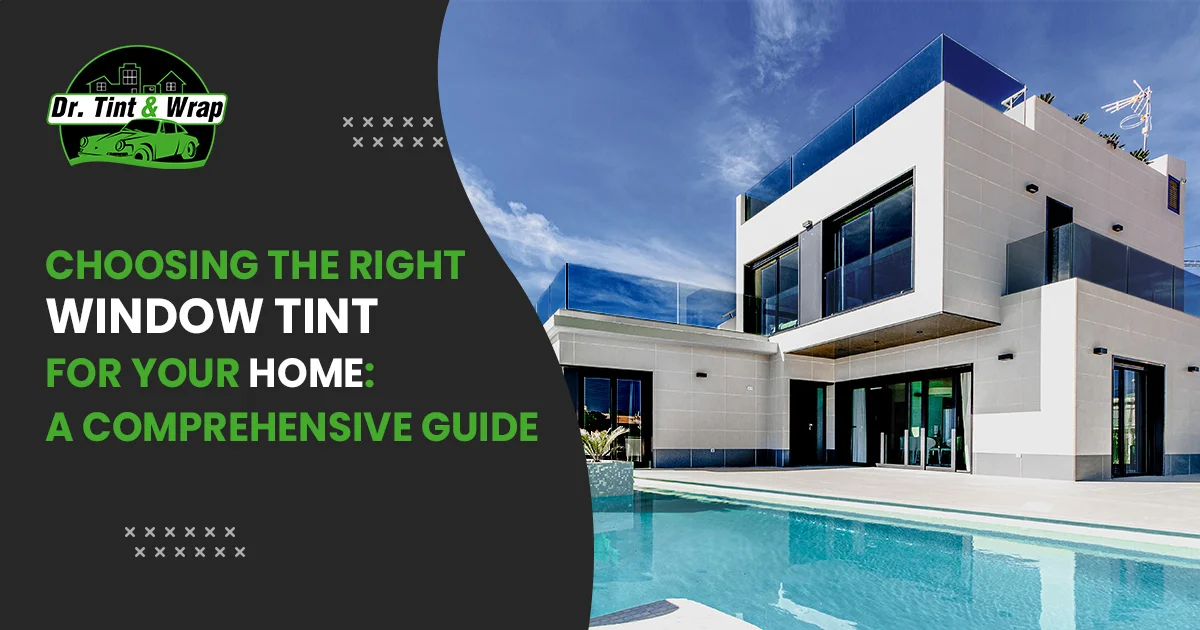
Choosing the Right Window Tint for Your Home: A Comprehensive Guide
05 Jul 2023, By AdminWindows are the eyes of your home, providing natural light, ventilation, and a connection to the outside world. However, they can also be a source of problems, such as excessive heat, glare, and harmful UV rays. Window tinting offers a practical solution to these issues, but selecting the right window tint can be a daunting task. In this guide, we'll walk you through the process of choosing the appropriate window tint for your home based on your specific needs, climate, and window types.
1. Assess Your Needs:
Before diving into the world of window tinting, it's crucial to assess your specific requirements. Consider the following factors:
- Privacy: Do you need increased privacy without sacrificing natural light?
- Heat Reduction: Is your home excessively hot, especially during summer months?
- Glare Reduction: Do you struggle with glare from sunlight that affects your comfort and visibility?
- UV Protection: Are you concerned about fading furniture and flooring due to UV rays?
- Energy Efficiency: Are you looking to reduce energy costs by improving insulation?
2. Understand Different Types of Window Tints:
There are various types of window tints available, each designed to address specific issues:
- Solar Control Films: Ideal for heat and glare reduction, these films block UV rays and improve energy efficiency.
- Privacy Films: These tints provide privacy during the day while allowing natural light to enter your home.
- Security Films: Reinforce your windows for added security, protecting your home from break-ins and accidents.
- Decorative Films: Enhance aesthetics with decorative window films available in various patterns and designs.
3. Consider Your Climate:
The climate of your region plays a significant role in choosing the right window tint:
- Hot Climates: Opt for tints with high solar heat rejection and UV protection to keep your home cool and protect from sun damage.
- Cold Climates: Look for tints with insulating properties to retain indoor heat during winters, reducing heating costs.
4. Think About Window Types:
Different window types require different tinting solutions:
- Double-Pane Windows: Consult with a professional, as certain films can trap heat between the panes, potentially causing damage.
- Low-E Coated Windows: Use tints recommended by the window manufacturer to maintain the Low-E coating's effectiveness.
- Older Windows: Consider films that provide insulation, improving energy efficiency in older, less insulated windows.
5. Seek Professional Advice:
While there are DIY tinting kits available, consulting with a professional window tinting service is invaluable. They can assess your specific needs, recommend suitable products, and ensure proper installation, maximizing the tints' effectiveness and longevity.
6. Read Reviews and Get Samples:
Research online reviews and testimonials to learn about other homeowners' experiences with specific window tints. Additionally, request samples from manufacturers or service providers to physically see how different tints look and perform in your home environment.
7. Maintenance and Warranty:
Consider the maintenance requirements and warranty offered with the window tint. Some tints may require special cleaning methods to preserve their effectiveness, while others come with comprehensive warranties, ensuring long-term satisfaction.
In conclusion, choosing the right window tint for your home involves careful consideration of your specific needs, the climate you live in, and the types of windows you have. By understanding these factors and seeking professional guidance, you can enhance your home's comfort, energy efficiency, and overall aesthetics, making an informed choice that you'll appreciate for years to come.