Benefits of Window Tinting in Hamilton: Why Hamilton Residents Should Consider it
23 May 2023, By AdminWhen it comes to enhancing the aesthetics, comfort, and overall functionality of your home or vehicle, window tinting can be a game-changer. Hamilton residents, in particular, can benefit from window tinting solutions that offer protection from harmful UV rays, increased privacy, and improved energy efficiency. In this blog post, we will explore the numerous benefits and advantages of window tinting in Hamilton, highlighting why it's a valuable investment for both homeowners and vehicle owners in the area.
1. Protection from Harmful UV Rays
Living in Hamilton means enjoying beautiful sunny days, but prolonged exposure to harmful UV rays can lead to skin damage and increase the risk of skin cancer. Window tinting provides an effective solution by blocking up to 99% of the sun's harmful UV rays. Whether you're at home or on the road, window tinting acts as a barrier, safeguarding you and your loved ones from these harmful rays. By reducing UV penetration, it also prevents furniture, flooring, upholstery and the interior of your car from fading over time.
2. Enhanced Privacy and Security
Privacy is a crucial aspect of any living space, and window tinting offers an excellent solution for maintaining a sense of privacy. With tinted windows, Hamilton residents can enjoy an added layer of protection against prying eyes. Whether you live near a busy street or have nosy neighbors, window tinting can help create a more secure and comfortable environment by limiting the visibility into your home or vehicle.
3. Improved Energy Efficiency
Maintaining a comfortable indoor temperature is a challenge, especially during Hamilton's hot summers and cold winters. Window tinting can significantly contribute to improving energy efficiency by reducing the heat gain from sunlight in the summer and heat loss during the winter months. By regulating the temperature more effectively, window tinting helps to reduce reliance on air conditioning and heating systems, thereby lowering energy consumption and utility bills.
4. Glare Reduction for Increased Comfort
Glare from the sun can be irritating and even dangerous, especially while driving. Window tinting can significantly reduce glare, allowing for a more comfortable and safer driving experience. Additionally, tinted windows in your home can create a more pleasant living environment by minimizing the disruptive effects of direct sunlight on electronic screens, such as televisions, computers, and mobile devices.
5. Protection Against Shattered Glass
Accidents happen, and in the unfortunate event of a break-in or a vehicular collision, window tinting can provide an additional layer of protection. Tinted films are designed to hold shattered glass together, preventing it from scattering and reducing the risk of injury from flying glass shards. This added safety feature can give Hamilton residents peace of mind, knowing that their windows are reinforced with an extra level of protection.
In conclusion, window tinting offers numerous benefits for Hamilton residents, ranging from protection against harmful UV rays to increased privacy, improved energy efficiency, glare reduction, and enhanced safety. Whether you are a homeowner looking to enhance the comfort and aesthetics of your living space or a vehicle owner seeking to improve your driving experience, window tinting in Hamilton is a worthwhile investment.
With the advantages of window tinting, Hamilton residents can enjoy a more comfortable and secure living environment, while also reaping the long-term benefits of reduced energy consumption and lower utility bills. Consider reaching out to reputable window tinting professionals in Hamilton to explore the options available and make the most of the advantages offered by this versatile solution.
Dr. Tint & Wrap stands out as Hamilton's premier destination for flawless window tinting, ensuring top-notch service and unparalleled expertise. Experience the finest window tinting craftsmanship with Dr. Tint & Wrap, setting the benchmark for excellence in Hamilton and beyond.
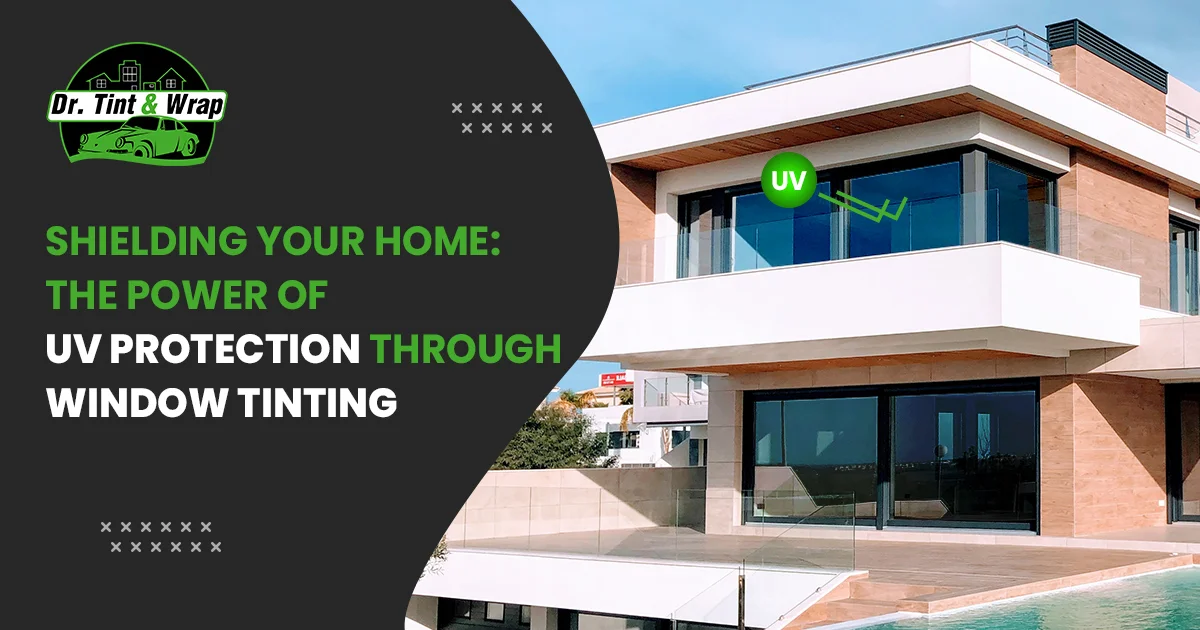
Shielding Your Home: The Power of UV Protection Through Window Tinting
23 May 2023, By AdminIn the pursuit of creating a cozy and inviting home, we often invest in exquisite furniture, delicate fabrics, and beautiful artwork. However, while we bask in the warmth of sunlight filtering through our windows, we might unknowingly subject our prized possessions to potential harm. Ultraviolet (UV) rays, invisible but potent, can cause irreparable damage to our furniture, flooring, and other cherished items. Fortunately, there's a simple yet effective solution – window tinting. In this blog, we'll explore the significance of UV protection through window tinting and how it preserves the integrity of your home.
Understanding the Threat: UV Rays
UV rays, a component of natural sunlight, are notorious for their ability to fade and deteriorate materials over time. Wood, fabric, leather, and even artwork are vulnerable to the harmful effects of prolonged exposure. Traditional windows offer little defense, allowing these rays to penetrate and wreak havoc on your interiors. This is where window tinting steps in as a guardian, forming an invisible shield against these damaging rays.
The Role of Window Tinting: A Protective Barrier
- Preventing Fading: One of the primary benefits of window tinting is its capacity to reduce fading. Tinted windows block a significant portion of UV rays, ensuring that your furniture and flooring retain their vibrant colors and textures for a more extended period. Say goodbye to the washed-out hues and say hello to long-lasting elegance.
- Preserving Fabrics and Upholstery: Fabrics, especially those found in curtains, upholstery, and rugs, are highly susceptible to UV damage. Window tinting safeguards these textiles, prolonging their lifespan and maintaining their luxurious appeal. Your curtains will stay rich and your upholstery will remain plush, all thanks to the protective tint.
- Safeguarding Art and Valuables: Artwork and valuable items, such as antique furniture or delicate ornaments, deserve special care. Window tinting acts as a shield, allowing you to display your treasures without fear of deterioration. Your art collection will stay vivid, and your valuables will maintain their allure, enhancing your home's aesthetics for years to come.
The Added Benefits: Beyond UV Protection
- Energy Efficiency: Window tinting not only protects against UV rays but also improves your home's energy efficiency. By blocking excessive heat during summers and retaining warmth in winters, tinted windows contribute to a more comfortable living environment and reduced energy bills.
- Enhanced Privacy and Security: Tinted windows offer enhanced privacy, making it difficult for prying eyes to peer inside. Additionally, they reinforce your home security, acting as a deterrent against potential intruders.
Conclusion
A Brighter, Safer Tomorrow In the battle against the invisible menace of UV rays, window tinting emerges as a reliable ally. By investing in quality window films, you not only protect your furniture, flooring, and cherished possessions but also create a more energy-efficient, secure, and private home. Embrace the transformative power of window tinting, and let your home shine brightly while staying shielded from harm. Remember, a small step today can lead to a brighter, safer tomorrow for your home and everything within it.
How to Maintain and Care for Tinted Office Windows
23 May 2023, By AdminOffice window tinting is a fantastic way to enhance the comfort and aesthetic of your workspace. Not only does it provide privacy and reduce glare, but it also helps in energy conservation by blocking harmful UV rays and controlling heat. However, to keep your tinted windows looking great and functioning effectively, proper maintenance and care are essential. Here’s a comprehensive guide on how to maintain and care for your tinted office windows.
Understanding Office Window Tinting
Before diving into maintenance tips, it’s important to understand what office window tinting involves. Window tints are thin films applied to the interior or exterior of glass surfaces. These films are designed to block UV rays, reduce heat and glare, and offer privacy without compromising natural light. High-quality window tints can last for many years, but their longevity largely depends on how well they are maintained.
Immediate Care Post-Installation
Allow Proper Curing Time
After installation, window tinting requires time to cure. This process can take anywhere from a few days to a few weeks, depending on the type of tint and the weather conditions. During this period:
- Avoid cleaning the windows.
- Do not roll down tinted windows (if applicable) to prevent peeling or damage.
- Expect minor haziness or small water bubbles, which will disappear as the film dries and adheres completely to the glass.
Regular Cleaning Tips
Use Gentle Cleaning Solutions
When it’s time to clean your tinted windows, opt for a mild, non-abrasive cleaning solution. A simple mix of water and a small amount of dish soap works well. Avoid ammonia-based cleaners as they can degrade the tint film over time.
Soft Clothes and Tools
Use a soft microfiber cloth or a rubber squeegee for cleaning. These materials are gentle on the tint film and help avoid scratches. Always dampen the cloth slightly before wiping the windows to prevent dry rubbing.
Gentle Cleaning Technique
- Spray the Solution: Lightly spray the cleaning solution onto the window surface.
- Wipe Gently: Using a soft cloth, gently wipe the window in a circular motion to remove dirt and smudges.
- Dry with Care: Use a dry microfiber cloth to gently pat the window dry, avoiding any streaks.
Preventing Damage
- Avoid Sharp Objects: Keep sharp objects away from tinted windows to prevent accidental scratches or tears. Office equipment, badges, or pens can cause damage if they come into direct contact with the window film.
- Temperature Considerations: Extreme temperatures can affect the adhesive properties of window tints. Avoid exposing tinted windows to excessive heat or cold. Ensure that window coverings or shades are used to moderate the temperature around the tinted windows.
- Regular Inspections: Periodically inspect your tinted windows for signs of wear and tear. Look for peeling, bubbling, or scratches. Early detection of damage can help in taking timely corrective actions, such as reapplying the tint film if necessary.
Professional Maintenance
- Regular Professional Cleaning: Consider scheduling regular professional cleaning services for your office windows. Professionals have the right tools and expertise to clean tinted windows without causing damage, ensuring they remain in optimal condition.
- Tint Reapplication: Over time, even the best-maintained tints may need reapplication. Depending on the quality of the tint and environmental factors, window tints can last between 5 to 15 years. Professional reapplication ensures that your office windows continue to provide the benefits of tinting.
Conclusion
Maintaining and caring for tinted office windows is not a daunting task if you follow the right steps. By using gentle cleaning methods, preventing damage, and scheduling professional maintenance, you can ensure that your office window tinting remains effective and aesthetically pleasing for many years. Remember, well-maintained tinted windows not only enhance the look of your office but also contribute to a more comfortable and energy-efficient workspace.

Car Window Tinting Tauranga Benefits of Car Window Tinting
23 May 2023, By AdminWindow Tinting is becoming increasingly popular in Tauranga. Today more and more car owners are realizing the benefits of having their car windows tinted. Let's see some advantages of car window tinting in Tauranga, and why it's a great investment for any car owner in Tauranga.
The most significant benefit of car window tinting is that it reduces the amount of heat that enters the car. Overall all of New Zealand experiences extremely hot temperatures during the summer months, which can make it uncomfortable for Dr. drivers and passengers. Car window tinting in Tauranga can significantly reduce the heat that enters the car, making it a more comfortable and cool place to be, especially during the hottest parts of the day. This can also help to reduce the load on your car's air conditioning system, which can save you money on fuel costs.
Another advantage of car window tinting in Tauranga is that it reduces the amount of harmful UV and IR rays that enter the car. The sun's UV and IR rays can be harmful to both the car's interior and to the occupants. They can cause the car's interior to fade or crack, and can also cause skin damage or even skin cancer. Car window tinting can block up to 99% of UV and IR rays, which can provide significant protection for both the car and its occupants.
Car window tinting can also improve the privacy and security of your vehicle. Tinted windows make it more difficult for people to see inside your car, which can be useful if you often leave valuable items inside and goes out. Car window tinting can also make it more difficult for thieves to break into your car, as it makes it harder for them to see what's inside.
Car window tinting can enhance the overall appearance of your car. Tinted windows give a stylish look to any vehicle, and can make it stand out from the crowd. Tinting can also add a layer of sophistication to your car's appearance, making it look more luxurious and professional.
In Tauranga, many companies offer car window tinting services. Dr. Tint & Wrap Tauranga is a reputable company with experience in the field. Dr. Tint & Wrap uses high-quality window film and offers a warranty on its work. This will ensure that your car window tinting is of the highest quality and that it will last for many years to come..
In conclusion, car window tinting is a great investment for any car owner in Tauranga. It can reduce the amount of heat and UV rays that enter the car, improve privacy and security, and enhance the overall appearance of the vehicle. If you're considering car window tinting in Tauranga, be sure to choose a reputable company that uses high-quality window film, and that offers a warranty on their work.